
Last updated November 23, 2026
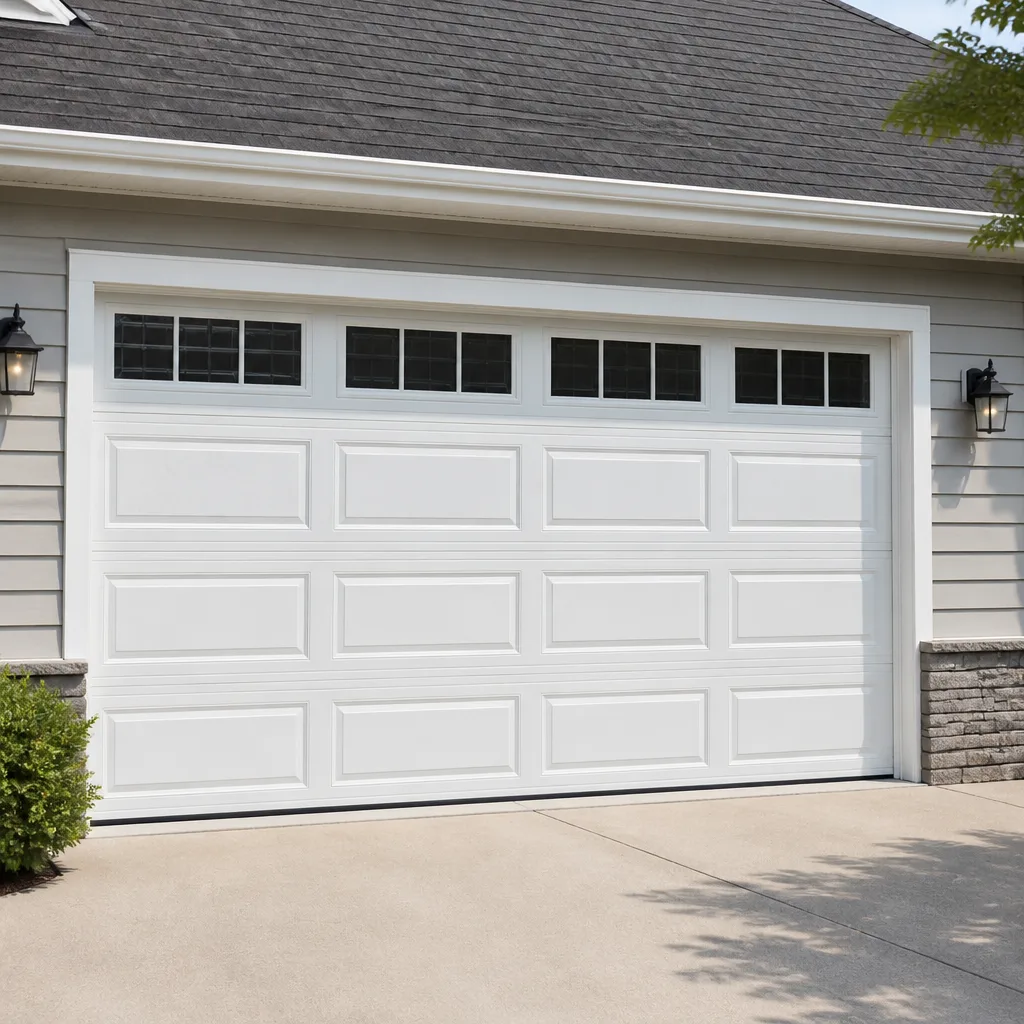 Raised-panel steel
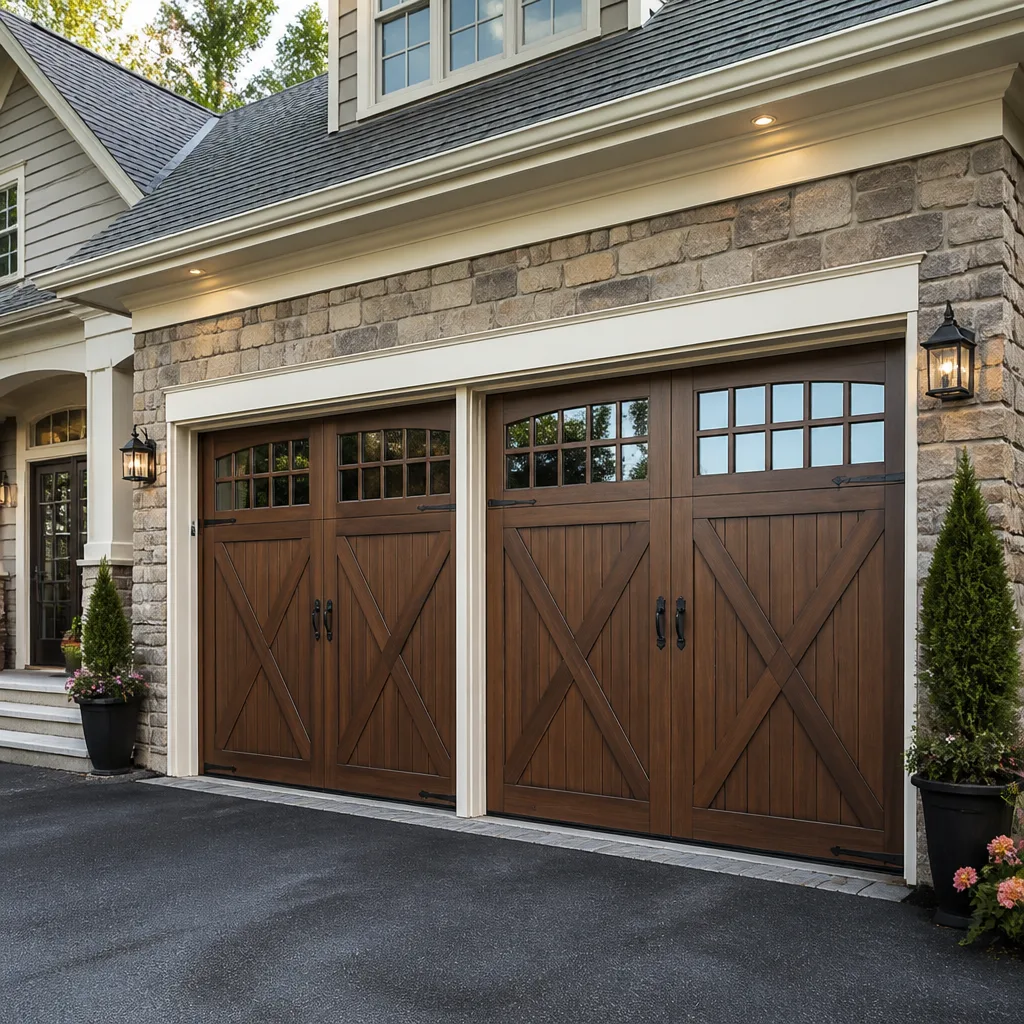 Carriage house
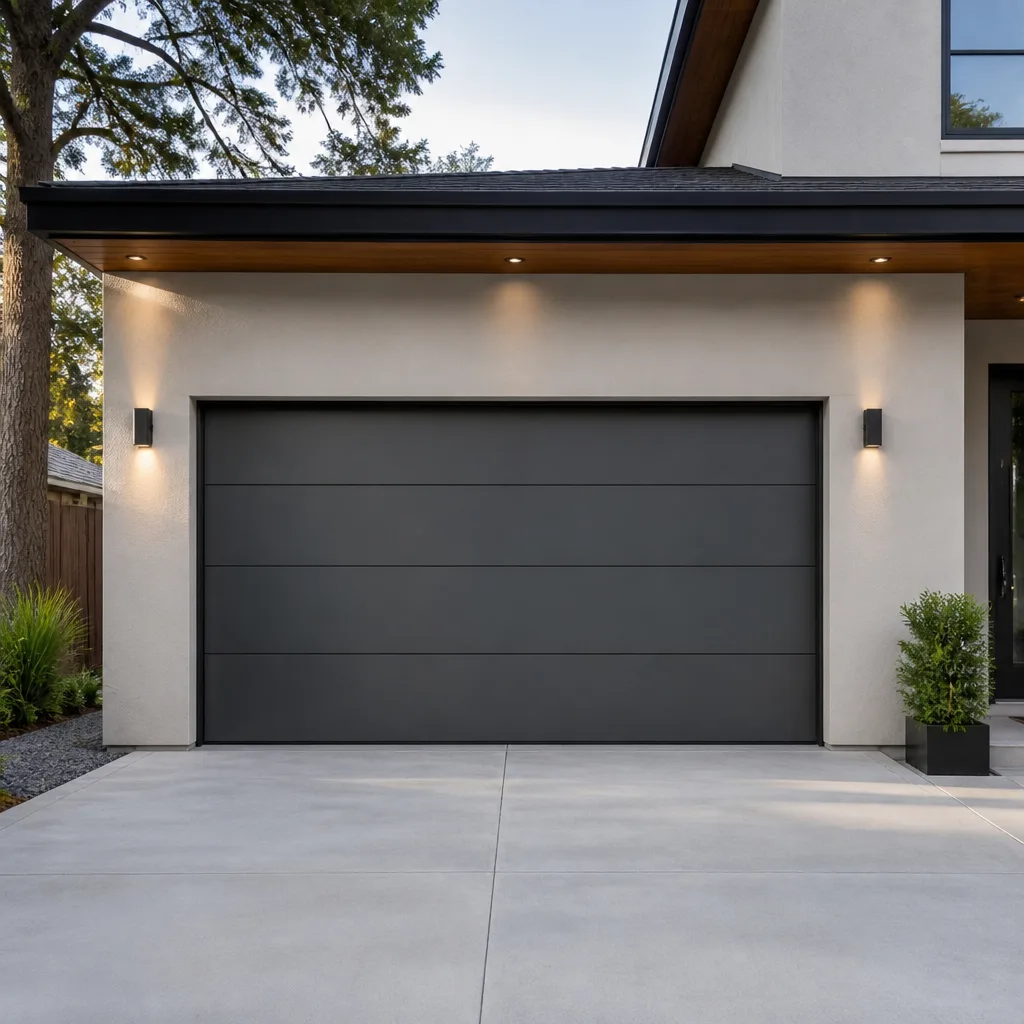 Modern flush
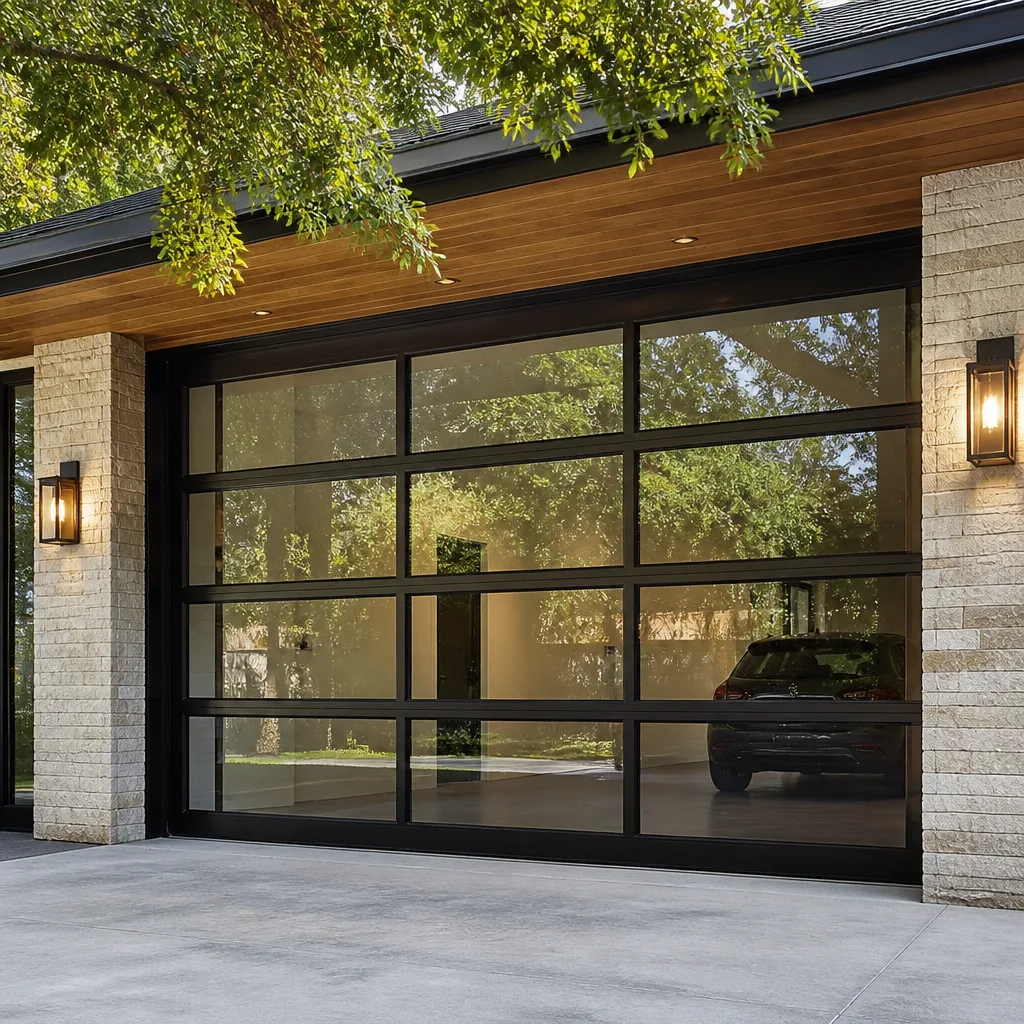 Full-view glass
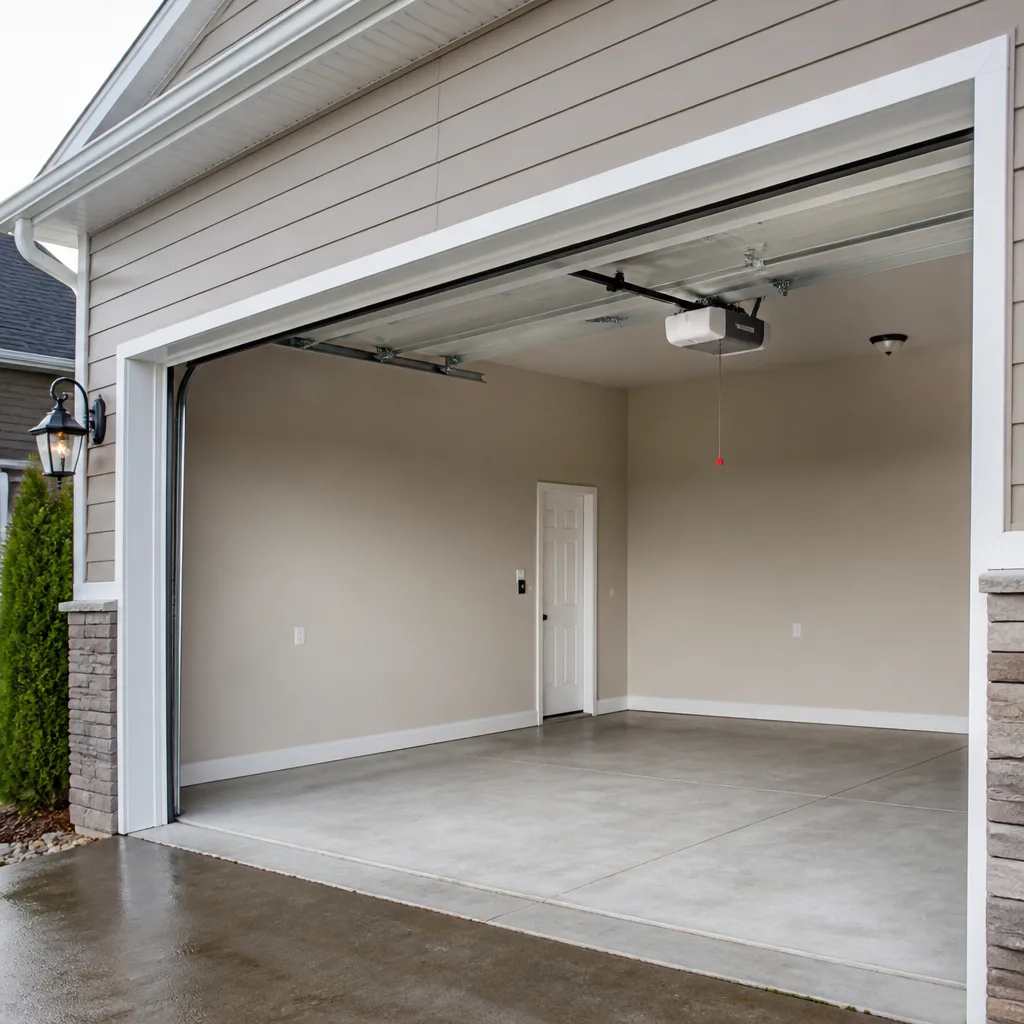 LiftMaster openers
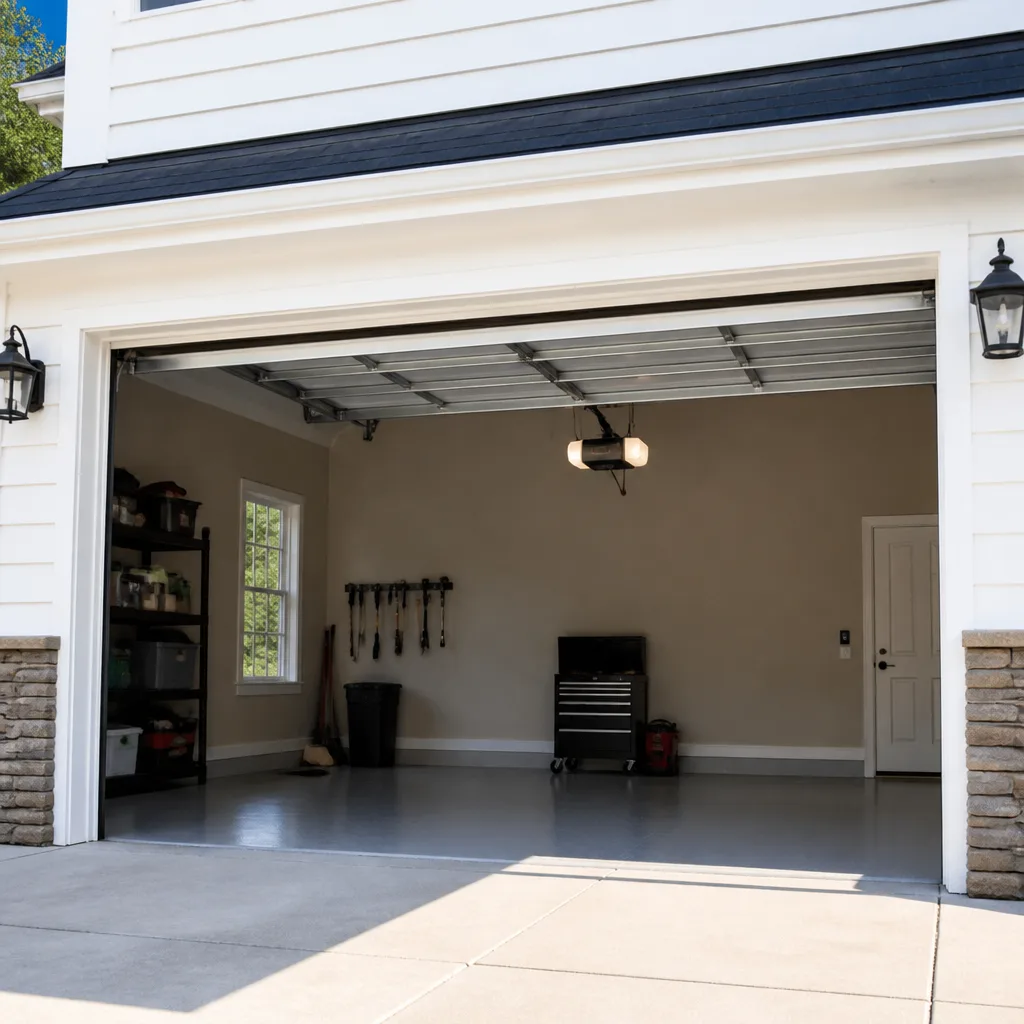 Chamberlain openers
Full 25-point door and opener safety check with every visit - springs, cables, rollers, tracks, and your LiftMaster or Chamberlain opener included
You get a price before we start. It does not change when the pro arrives.
Get your free estimateDIY vs Professional Garage Door: The Bolingbrook Homeowner’s Decision Guide
Most garage door advice starts in the wrong place. It asks how handy you are. That’s the wrong question. The right question is which specific part of the door you’re touching, because the risk on a garage door isn’t spread evenly across the system. Swapping a remote battery and replacing a torsion spring are not the same activity with different difficulty levels. One is a five-minute chore. The other involves a wound torsion spring holding 150 to 300 foot-pounds of torque, and a miscalculated adjustment there doesn’t just fail to fix the door. It can release that stored energy as a projectile. That’s the line this guide draws: by component, not by confidence. We’ll walk through what’s genuinely safe to handle yourself in a Bolingbrook home, what quietly voids your warranty, what can hurt you, and where a DIY attempt ends up costing more than hiring out from the start.
Styles & brands we work with
- Raised-panel steel
- Carriage house
- Modern flush
- Full-view glass
- LiftMaster openers
- Chamberlain openers
Quick Answer
Cosmetic and low-force tasks are reasonable DIY work: lubricating rollers and tracks, replacing a remote battery, wiping down photo-eye lenses, and visually inspecting the door. Anything that involves the torsion spring, the cables, the bottom bracket, or a door that has come off its tracks belongs to a trained professional. Work on the opener’s internal wiring and limit settings sits in the middle: possible for a careful homeowner, but the place where a “quick fix” usually creates a second, more expensive problem. The dividing line isn’t skill. It’s whether a mistake can injure someone.
Table of Contents
- The Three Categories of Garage Door Work
- Why Springs and Cables Are Professional-Only
- The Tool Cost Math on “Simple” DIY Repairs
- Cost Comparison: Where DIY Saves and Where It Costs More
- How Illinois Liability and Homeowner Insurance Treat Self-Performed Work
- When a Quick DIY Fix Delays a Real Diagnosis
- What Makes Garage Doors in Bolingbrook Different
- Common Mistakes to Avoid
- When to Call a Professional
- Frequently Asked Questions
- The Bottom Line
The Three Categories of Garage Door Work
Instead of asking whether you’re capable of a repair, sort the task into one of three buckets. This is the framework we use when a homeowner calls us asking whether they should try something themselves, and it’s the cleanest way to think about your own door.
Category 1: Safe DIY. These tasks carry no stored-force hazard and no real injury risk. Anyone with a stepladder and a few minutes can handle them:
- Lubricating hinges, rollers, and the torsion spring with a garage-door-specific lubricant
- Cleaning the tracks with a damp cloth and checking for obvious debris
- Replacing the battery in a remote or wall keypad
- Wiping the photo-eye lenses on either side of the door and confirming the beam isn’t blocked
- Testing the door’s auto-reverse by placing a small object in its path
- Tightening visible hinge bolts with a socket wrench
Category 2: DIY-possible but warranty-risky. A careful homeowner can sometimes do these, but the margin for error is thin and manufacturers often treat unauthorized adjustment as grounds to decline a warranty claim. These include adjusting the opener’s travel limits and force settings, replacing a wall control, and swapping a belt or chain on certain opener models. If you’re not certain what you’re adjusting, don’t adjust it.
Category 3: Professional-only. These are the parts of the system holding stored energy or supporting the door’s full weight. Torsion spring repair, extension spring replacement, cable replacement, bottom bracket work, roller replacement on a door that can’t be safely pinned, track realignment after the door has come out, and any work on a door that has fallen. No amount of confidence makes these safe for a homeowner.
Why Springs and Cables Are Professional-Only
A torsion spring sits horizontally above the door and is wound during installation to counterbalance the door’s weight. That wind is the stored energy we mentioned at the top: 150 to 300 foot-pounds of torque in a typical residential setup. When that spring lets go under load, it doesn’t politely unwind. It releases. Metal can become a projectile, and this is exactly why professional technicians treat spring work with specific tooling and specific procedures rather than a wrench from the drawer.
Torsion springs are only half the picture. The lift cables run from the bottom corners of the door up through the spring system, and they’re under tension too. A cable that snaps while you’re near it, or while the door is in motion, can whip with enough force to break bones or cause serious lacerations. Extension springs, found on some older doors, have their own failure mode and typically need safety containment hardware, which isn’t always present on older installations.
In Bolingbrook, we get calls every cold season about springs that fail without warning. Winter temperatures here swing hard, and the cycle from a heated garage to a frigid driveway stresses the metal. That’s normal for the climate, not a sign anything was installed wrong. What isn’t normal is a homeowner deciding to try the swap because the replacement spring cost looked manageable online. The spring is the cheap part. The injury is the expensive part.
If your door won’t lift, a spring has snapped, and you’re standing in your driveway looking at a door that won’t budge, that’s a professional call. We handle garage door spring repair as a core service for exactly this reason.
The Tool Cost Math on “Simple” DIY Repairs
The cost comparison most homeowners run is part price versus labor price. That math is incomplete. On several “simple” jobs, the tooling alone eats the savings before you’ve turned a single bolt. Here’s the honest accounting on the tasks people most often ask about:
| Task | Realistic DIY cost | What changes the math |
|---|---|---|
| Lubricate hinges, rollers, spring | Under $15 for lubricant | None. This is genuinely the best DIY task on the list. |
| Replace a single roller | $5 – $15 for the roller | Need locking pliers and the knowledge to pin the door safely first. |
| Adjust travel limits on the opener | $0 | Free, but the wrong adjustment can push the door into the header or burn out the motor. |
| Replace a wall-mounted control | $25 – $60 for the unit | Low-voltage wiring. Doable, but pairing it to the opener is where most people get stuck. |
| Replace a torsion spring | $40 – $90 for the spring alone | Winding bars, proper technique, and the fact that a pair is usually replaced together. This one is a category mistake, not a cheap repair. |
The pattern is consistent: tasks where the tool cost is close to zero and the risk is close to zero are the ones worth doing yourself. The moment torque enters the picture, the DIY math inverts. On spring work, the parts are inexpensive; the injury risk and the cost of a botched job aren’t. That’s why our written estimates quote a spring range per spring, with matched pairs typically replaced together and priced accordingly.
Cost Comparison: Where DIY Saves and Where It Costs More
Let’s separate the repairs where DIY actually saves money from the ones where a failed attempt costs more than hiring out from the start. This is the section to read twice if you’re deciding.
Where DIY saves money:
- Lubrication and cleaning. A can of proper lubricant and ten minutes is a real savings, and it prevents wear on rollers and hinges over time. Do it yourself, every time.
- Remote battery swaps. No skill, no risk, no reason to call.
- Photo-eye cleaning. A door that reverses immediately after closing is almost always a dirty or misaligned photo eye. Wiping the lenses is free.
- Visual inspections. Look for frayed cables, worn rollers, and gaps in the door’s weather seal. Free, useful, and informs whether you need a call.
Where DIY costs more:
- Spring and cable work. A failed DIY attempt on a spring can mean a bent door, a damaged opener, a cracked panel, and a professional job on top. The labor doesn’t go away when you try it yourself first. It usually doubles.
- Limit and force adjustments. Setting the travel limits wrong can force the door into the header, bend the top panel, or wear out the motor. On a Clopay or Amarr door, a damaged top section isn’t a small repair.
- Opener replacement. Modern openers from Chamberlain and Genie need proper mounting, tensioned chains or belts, and correct rail alignment. A misaligned rail is a common cause of premature motor failure.
- Track realignment after a door has come out. A door that’s jumped its tracks is carrying weight in a way that makes it unstable. Straightening a track without professional help frequently damages the roller carrier or the panel itself.
The general rule: if you can complete the task with a lubricant, a cloth, or a screwdriver, DIY saves money. If you need a torque value, a winding bar, or a helper, the calculation flips. For anything on the wrong side of that line, our garage door repair service exists precisely to handle the jobs where a failed attempt costs more than the original repair.
How Illinois Liability and Homeowner Insurance Treat Self-Performed Work
This is the part that almost nobody tells homeowners, and it’s worth understanding before you pick up a wrench.
Standard homeowners insurance in Illinois covers sudden, accidental damage to the dwelling and to structures attached to it, which generally includes the garage. If a garage door fails on its own, your policy will likely respond. But if the damage results from work you performed yourself and did incorrectly, the claim becomes murkier. Insurers can and do examine cause. A door that failed because of age is different from a door that failed because a homeowner wound a spring incorrectly and the system released under load. In that second case, you may find the loss contested.
There’s a liability angle too. If a DIY repair fails and the door later injures someone, or damages a vehicle in the driveway, the question of who performed the work matters. Product liability in Illinois protects consumers who use a product as intended, but it doesn’t shield them from their own installation mistakes. When a licensed, insured professional performs the work, the responsibility for that work sits with them, not with you.
That’s the piece that makes professional service different from “getting a guy to help.” The local pro is licensed and insured as their state requires, which means if something goes wrong on the job, there’s a path for resolution. On a self-performed spring repair, there isn’t. If you’re not certain how your own policy treats a given repair, a quick call to your insurer before you start is worth ten minutes.
When a Quick DIY Fix Delays a Real Diagnosis
This is the subtlest failure mode in the whole guide, and we see it often. A homeowner notices the door isn’t closing properly. The natural instinct is to adjust the opener’s travel limits until the door goes down. Problem solved, until it isn’t.
Here’s the issue. On most doors, the reason a door doesn’t close cleanly is not the opener at all. The real causes tend to be spring tension that’s drifted, a track that’s out of plumb, a roller that’s worn, or a photo eye that’s dirty. Adjusting the opener’s limits to force the door into place doesn’t fix any of those. It masks them, and it puts additional load on the opener motor to do work it wasn’t designed to do. A few weeks later, the opener burns out. Now you have a dead opener and a door that still doesn’t close properly, and the original diagnosis has been delayed by the cost of the replacement.
The specific scenario worth knowing:
- Door stops short of the floor or reverses unexpectedly.
- Homeowner adjusts travel limit on the opener to force closure.
- Door appears to work but the opener motor is now doing more work than designed.
- Motor fails prematurely, or the top panel begins to bend from the forced closure.
- Real cause (spring tension, tracks, worn rollers) never addressed; now there’s a second repair layered on top of the first.
If your door is misbehaving, the first step is to figure out why, not to force it closed. If you can’t tell, that’s the point to call for a diagnosis rather than to start turning screws. Our garage door opener repair service starts with diagnosis for exactly this reason. Sometimes the opener isn’t the problem.
What Makes Garage Doors in Bolingbrook Different
Garage doors don’t fail the same way in every climate, and Bolingbrook’s winters put specific stress on the system. Temperature swings between a heated garage and a single-digit driveway contract and expand the metal in springs, cables, and tracks. This time of year is when we get the most spring failures, and it’s often not a spring that was installed wrong. It’s just the cycle count catching up under thermal stress.
The housing stock matters too. Bolingbrook has a mix of neighborhoods with homes built across several decades, and some of the older doors have extension springs rather than torsion springs. Extension springs have a different risk profile: they’re the ones that need containment cables, and on older installations those aren’t always present. If you’re not sure whether your door uses extension or torsion springs, look for a horizontal bar above the door (torsion) versus two springs running parallel to the tracks (extension). Don’t touch either without professional help, but knowing which you have helps when you call.
The other Bolingbrook-specific factor is usage. Most homes here use the garage as the primary entry point, not a parking space. That means the door cycles four to six times a day rather than once or twice, which shortens the lifespan of springs and rollers compared to a door used only for vehicles. If your door sees family traffic throughout the day, plan on more frequent wear than a typical estimate table would suggest.
Common Mistakes to Avoid
- Adjusting limits when the real problem is the spring. The opener is the easiest thing to tinker with and the least likely actual cause. If you find yourself adjusting travel limits, stop and diagnose first.
- Replacing only one spring when both are worn. When one spring of a matched pair fails, the other is almost always at the end of its life too. Replacing just one means the second fails weeks later. Matched pairs are usually replaced together, and priced accordingly.
- Lubricating with the wrong product. WD-40 is a solvent, not a lubricant. It strips the existing lubricant and attracts dust. Use a garage-door-specific lubricant on hinges, rollers, and the spring.
- Using spring clamps on a torsion door. Some DIY videos show spring clamps used to pin the door for a roller swap. On a torsion door, this is dangerous. Pin the door properly or don’t do the swap.
- Ignoring a frayed cable. A cable with even a few broken strands is a hazard. It’s not “getting by.” It’s waiting to fail, and the failure mode can injure.
- Trying to force a door that’s come off its tracks. A door that’s jumped a track is unstable, and forcing it damages both the track and the door panels. This is a professional call from the moment you see it.
- Skipping the annual visual inspection. Most garage door failures announce themselves weeks in advance: worn rollers, sagging springs, a door that’s gotten noisier. A five-minute look saves real money.
When to Call a Professional
Call us the moment any of the following is true. These aren’t “wait and see” situations. They’re the scenarios where the safe decision is already made.
- A torsion or extension spring has snapped, or you can see a gap in the coil
- The door has come off its tracks and won’t move cleanly
- A lift cable is frayed, slack, or hanging
- The door goes down partway and reverses, and cleaning the photo eyes didn’t fix it
- The opener motor hums but the door doesn’t move
- The door has become noticeably heavier to lift than it used to be (a sign of failing springs)
- You’ve tried a DIY adjustment and it didn’t work
We work on your brand. That matters more than people expect, because mixed-brand setups are common: a Clopay door with a LiftMaster opener, or an Amarr door with a Genie unit. Being certified to work across eight of the most common brands means a diagnosis holds up on systems built from different manufacturers. Bolingbrook Garage Door Repair Pros offers free estimates in Bolingbrook; call (844) 482-4453. We answer 24/7. Fast dispatch from 7am to 7pm, Sunday through Friday.
Frequently Asked Questions
No. Torsion springs hold 150 to 300 foot-pounds of stored torque, and a miscalculated adjustment can release that energy as a projectile. This is the single repair that should never be DIY regardless of how handy you are. Call (844) 482-4453 for a free estimate.
Most routine repairs fall into a range that depends on the component: a single spring replacement, an opener repair, or a roller and track fix all price differently, and the written estimate sets the final price before any work starts. We quote per job after diagnosis, and the estimate is free. Call (844) 482-4453 for an exact number.
It depends on the cause. Standard policies cover sudden, accidental damage, but a claim arising from a self-performed repair that was done incorrectly may be contested. When a licensed, insured professional does the work, the responsibility for that work sits with them. If you’re unsure how your policy handles a given repair, call your insurer before you start.
Nine times out of ten it’s a dirty or misaligned photo eye, and wiping the lenses on both sides solves it. If cleaning doesn’t fix it, the cause is usually a track that’s out of plumb, worn rollers, or spring tension that’s drifted. That’s a diagnostic call, not a limit adjustment. Call (844) 482-4453; we answer 24/7.
Yes. Same-day service is available for urgent repairs, including broken springs and doors off their tracks. Call (844) 482-4453. Fast dispatch from 7am to 7pm, Sunday through Friday. A call outside dispatch hours is booked into the next opening.
Yes. We’re certified to work on LiftMaster, Chamberlain, Genie, Clopay, Amarr, Wayne Dalton, Craftsman, and Raynor, covering both door manufacturers and opener systems. Mixed-brand setups are common and we diagnose them as a single system so the fix addresses the actual cause. Call (844) 482-4453 for a free estimate.
The Bottom Line
The DIY versus professional decision on a garage door isn’t about skill. It’s about stored energy. Lubrication, cleaning, battery swaps, and visual inspections are yours to handle, and they save real money over time. Spring, cable, and bottom-bracket work are professional-only, full stop, because the failure mode can injure. Opener adjustments sit in the middle: possible, but the place where a quick fix usually masks a real problem and creates a second repair. In Bolingbrook, cold winters and heavy daily use mean these systems work harder than the average, and a thoughtful inspection once a year heads off most failures. When a repair crosses the line, one call gets it handled: Bolingbrook Garage Door Repair Pros for diagnosis, repair, opener work, spring work, and new installation. Our technicians have up to 11 years of experience. Call (844) 482-4453 for a free estimate. We answer 24/7. Fast dispatch from 7am to 7pm, Sunday through Friday.
Written by the team at Bolingbrook Garage Door Repair Pros.
See the difference
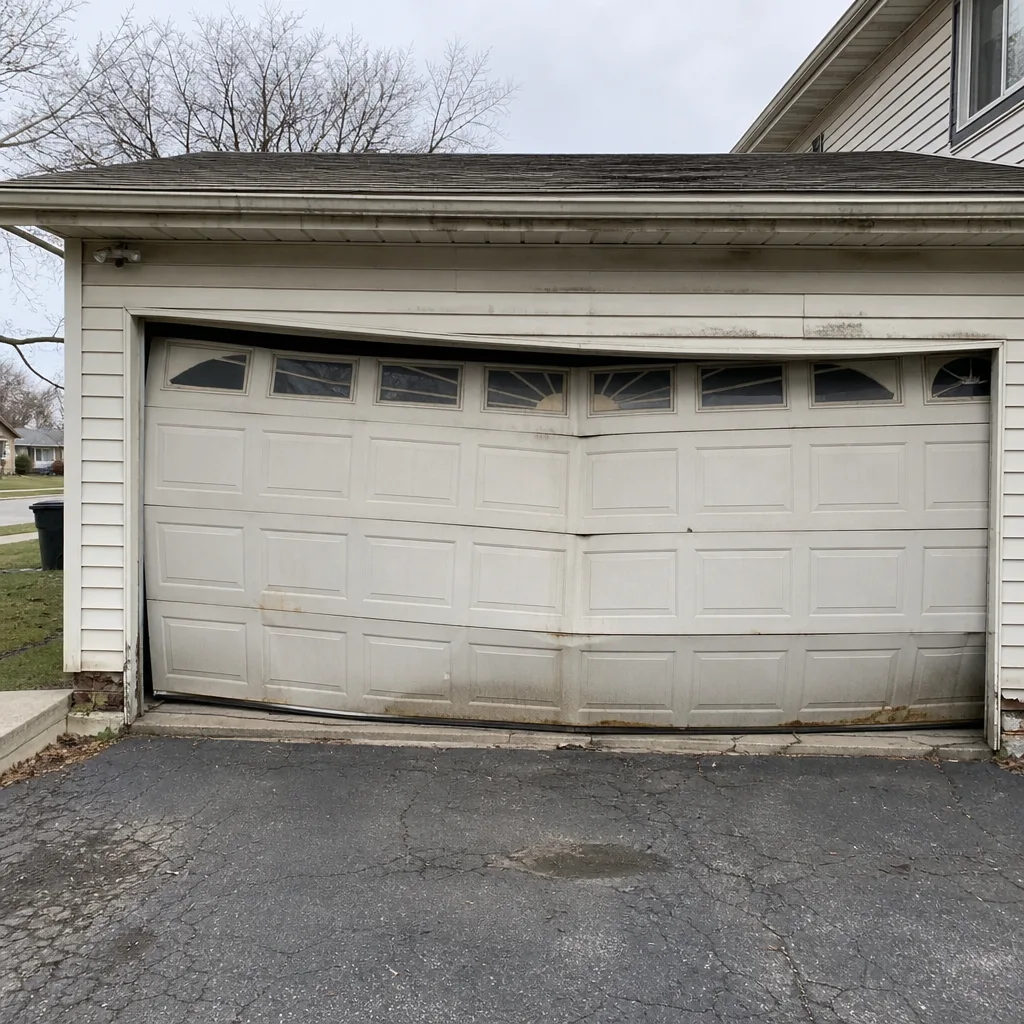 Before
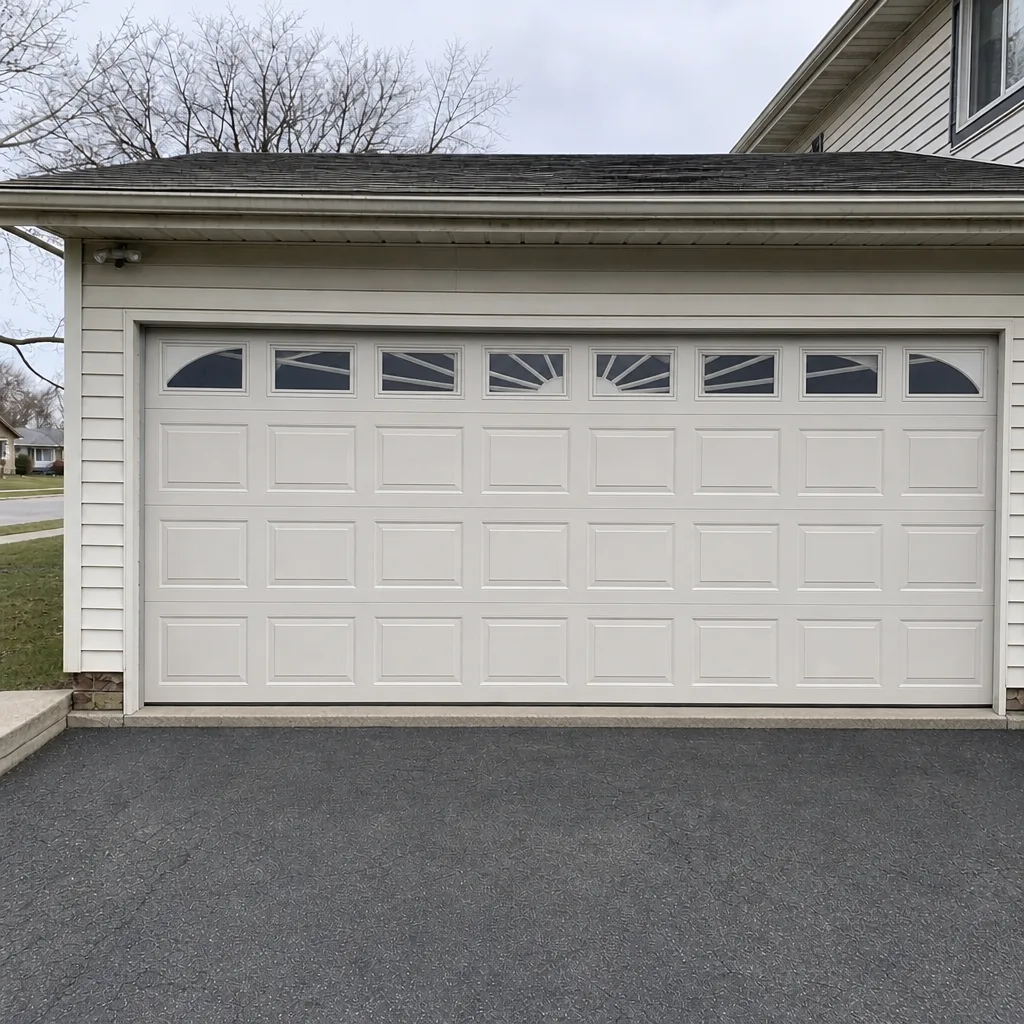 After
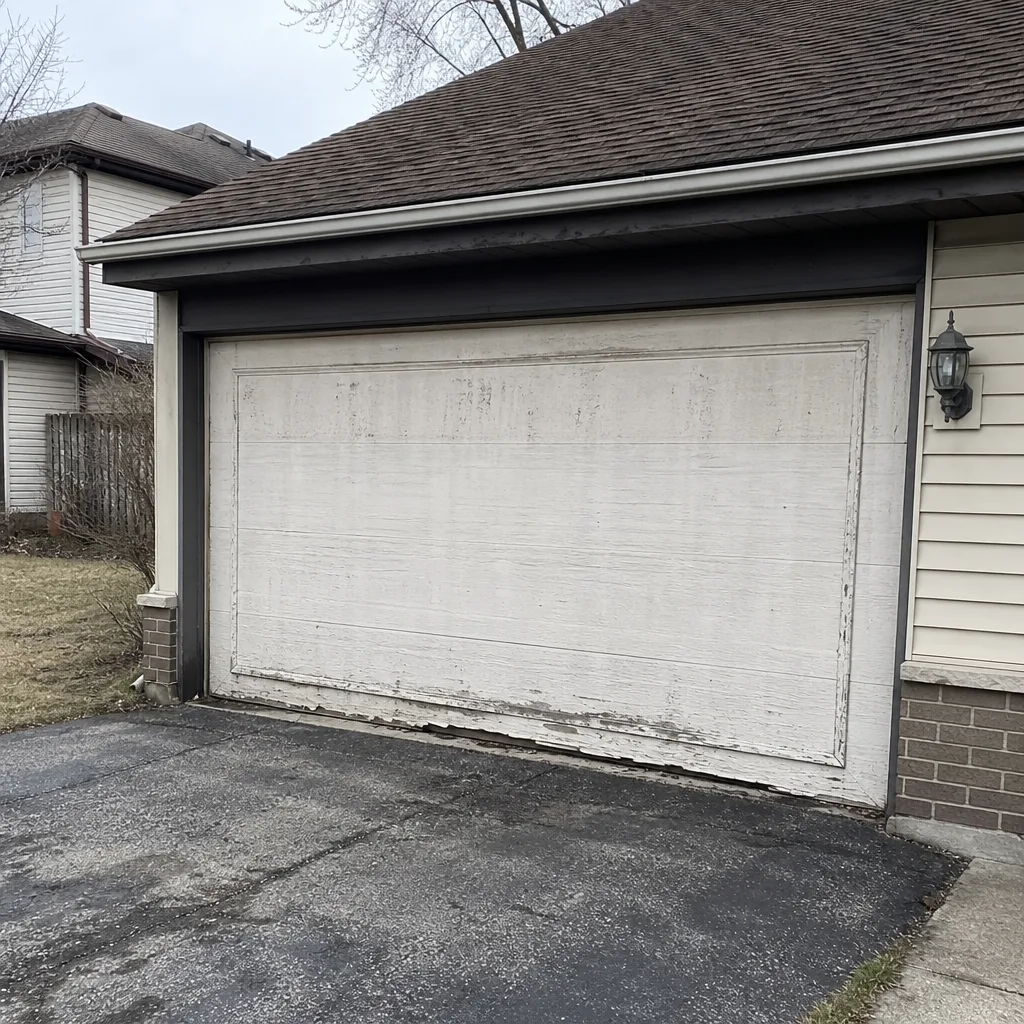 Before
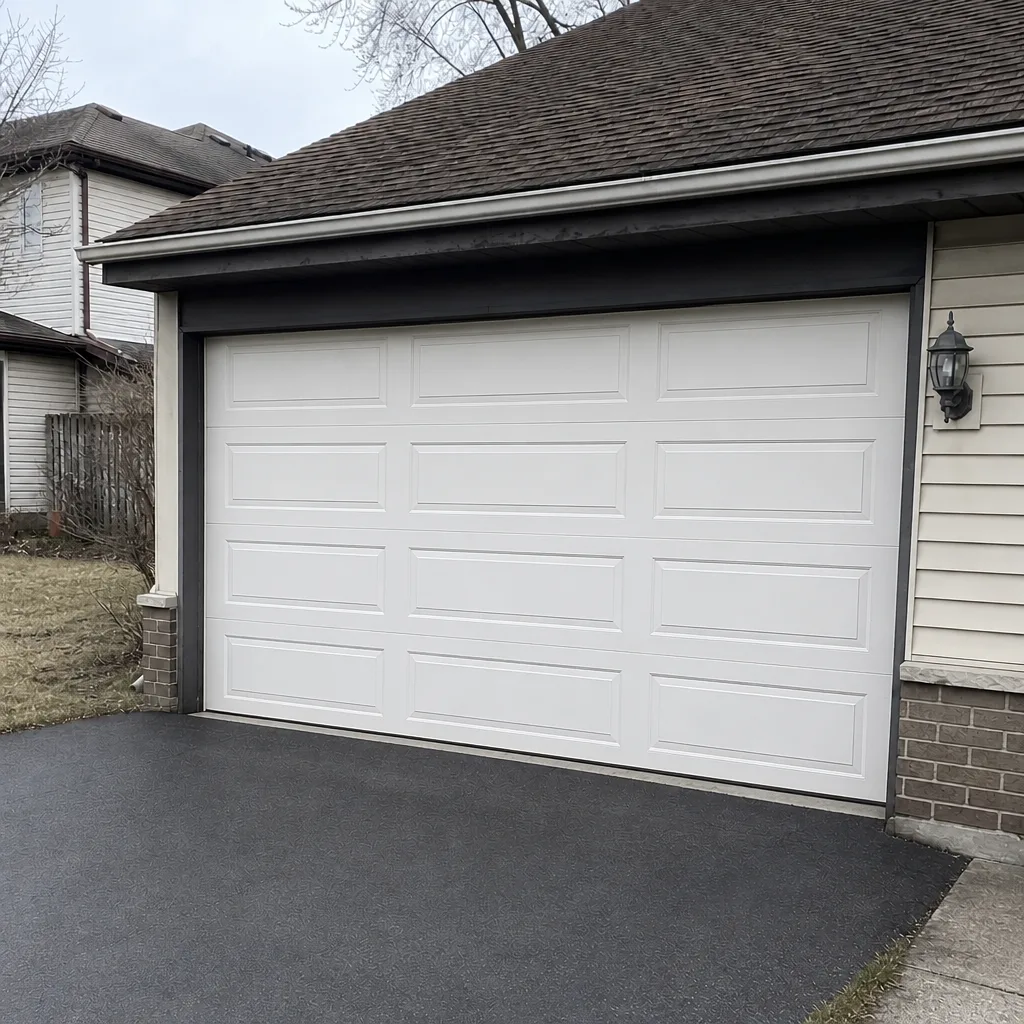 After
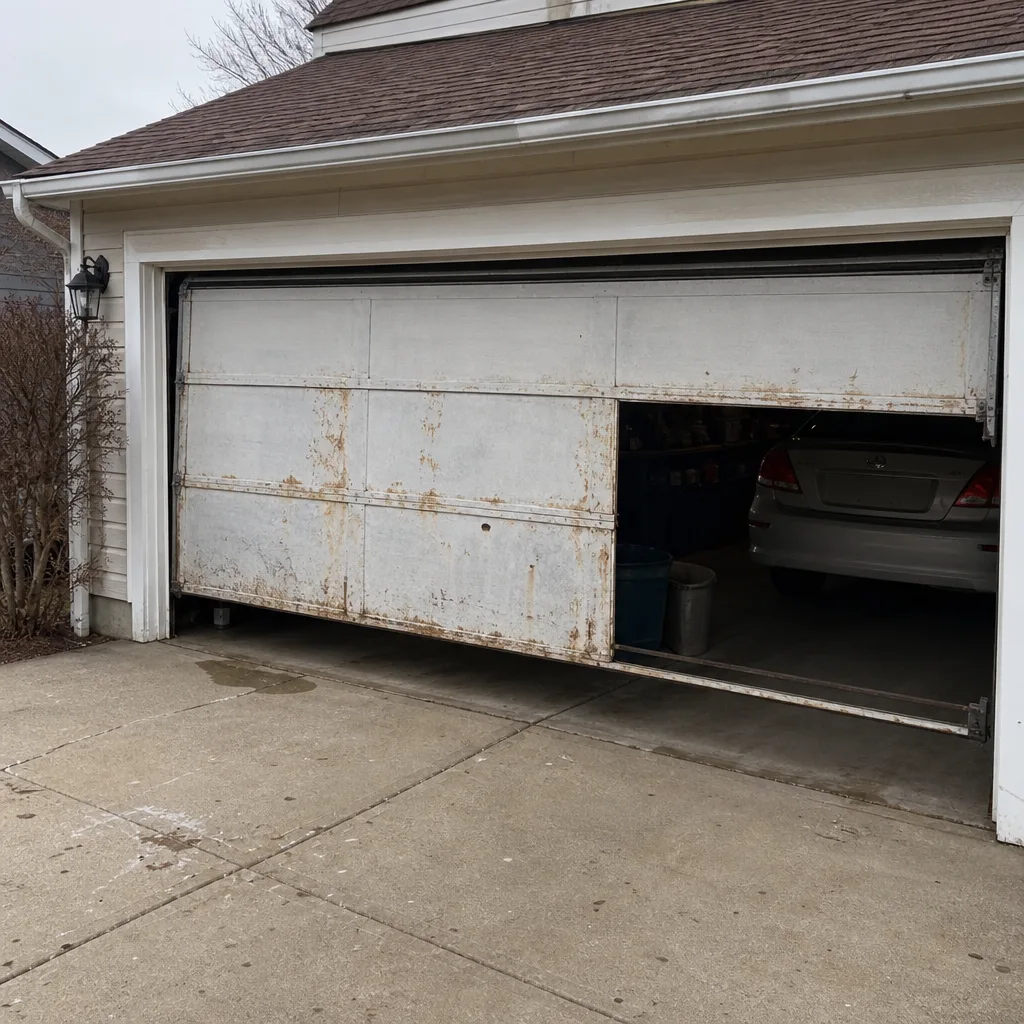 Before
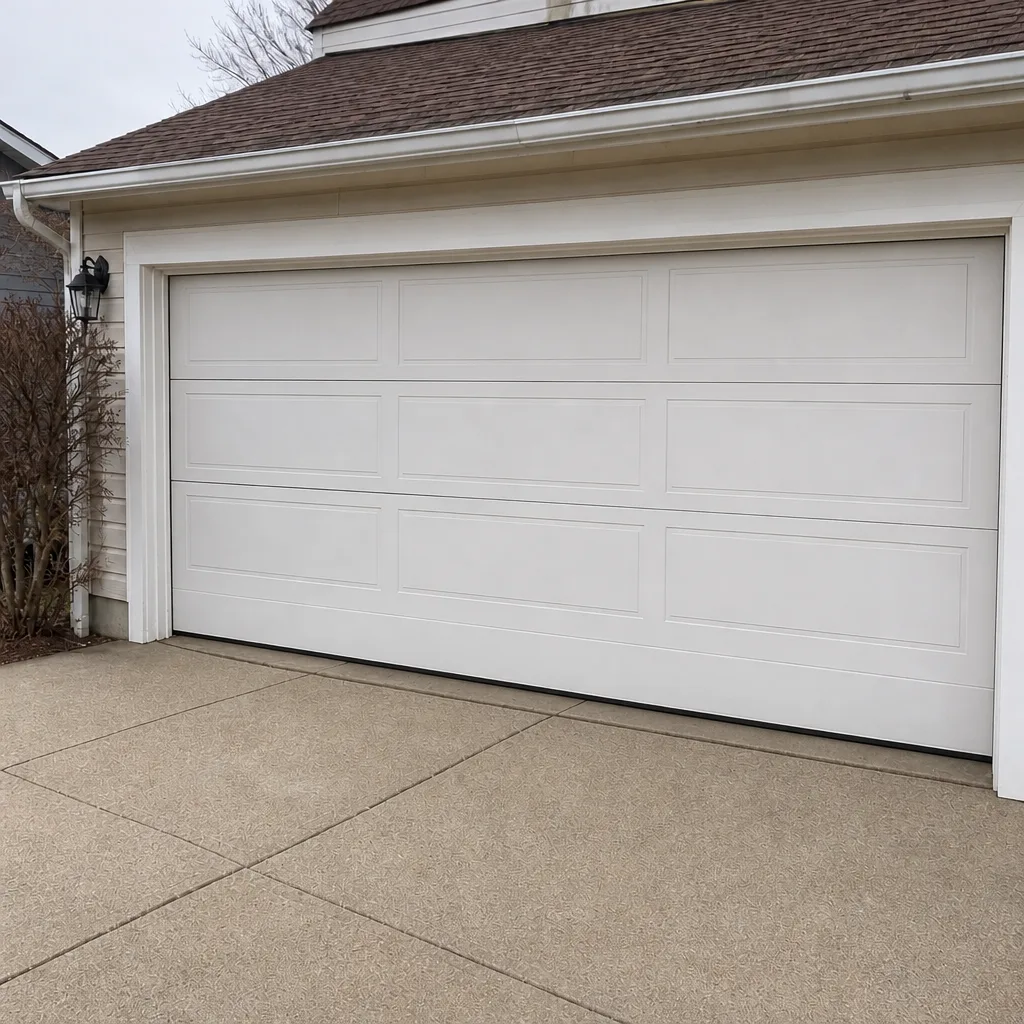 After