
Last updated November 23, 2026
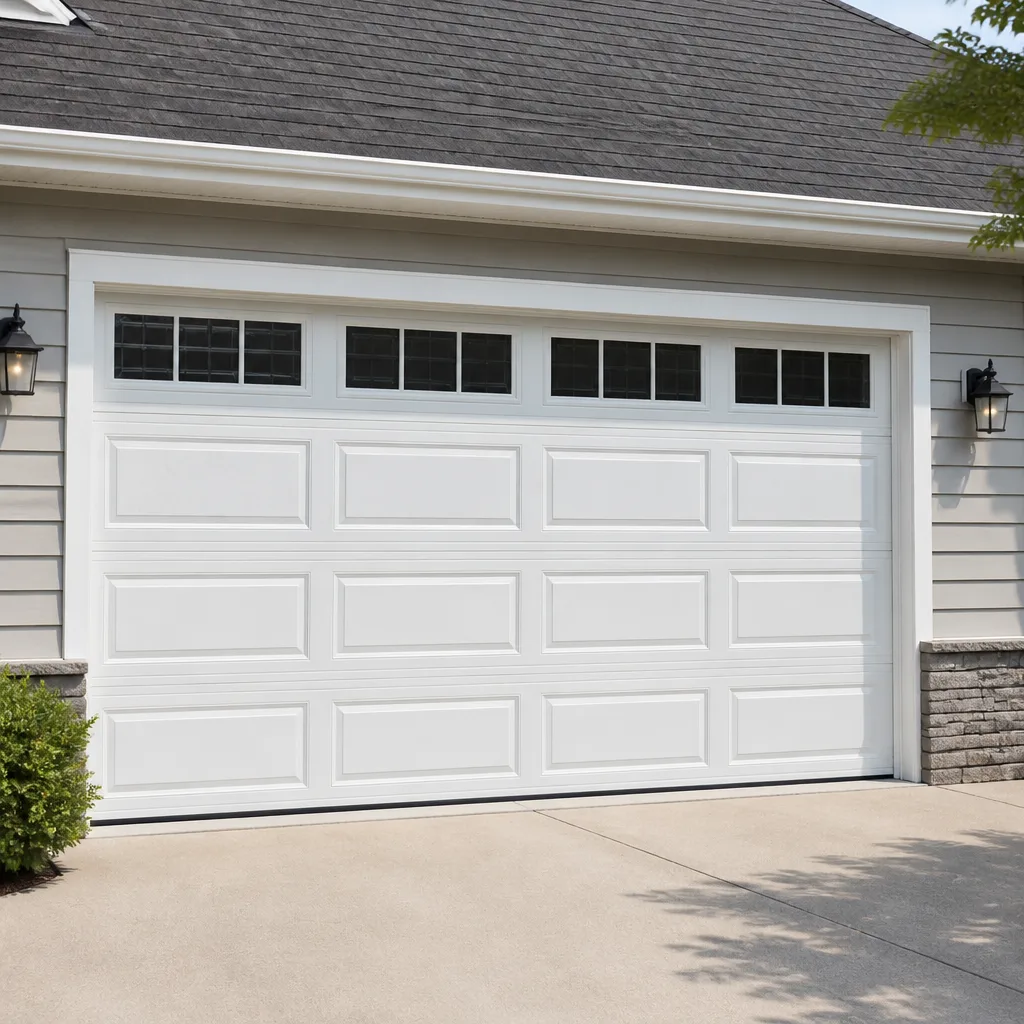 Raised-panel steel
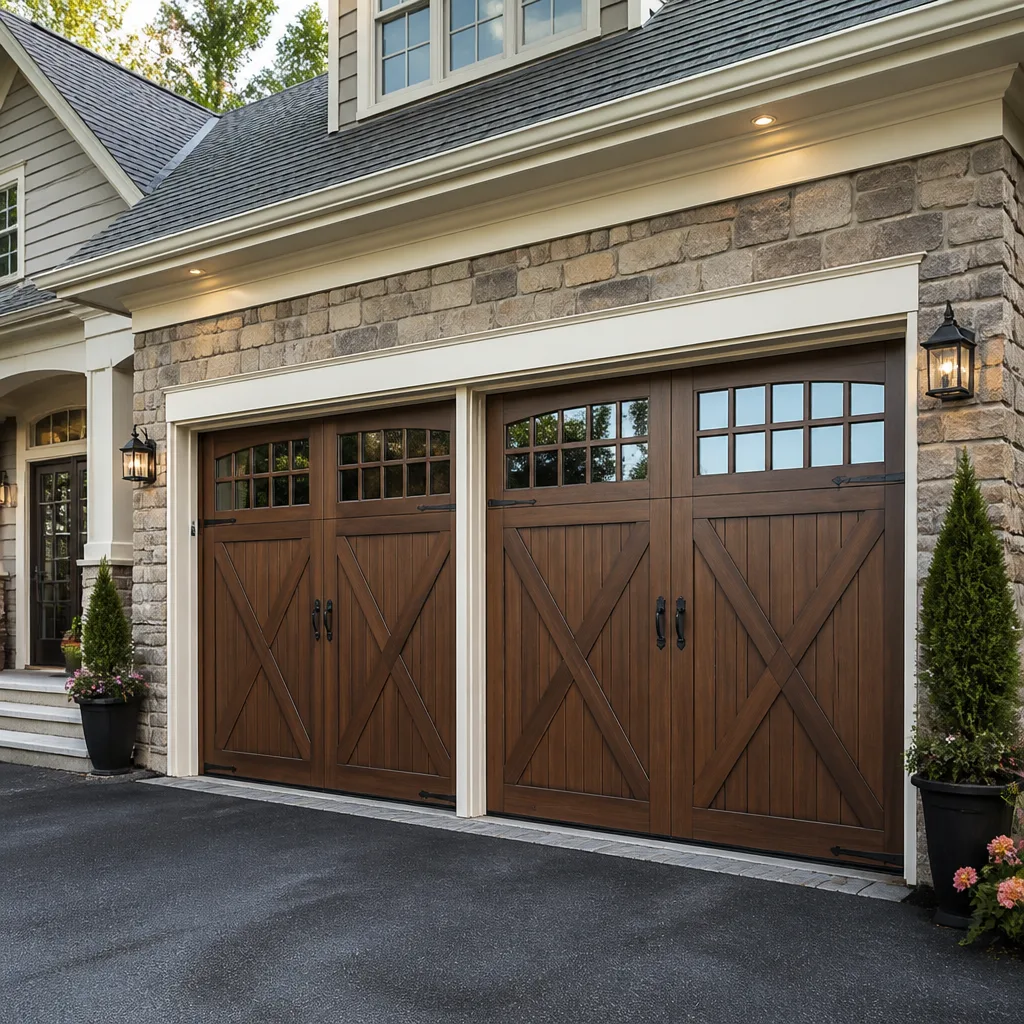 Carriage house
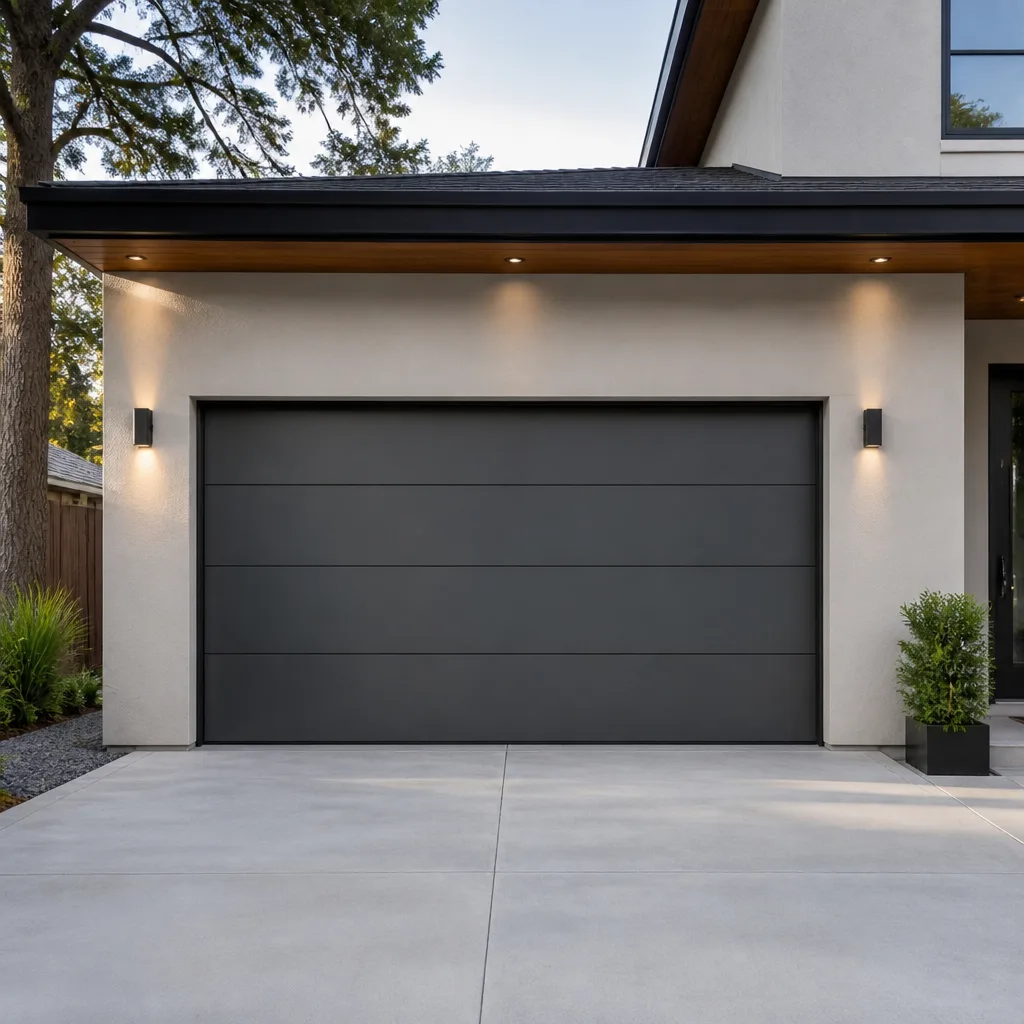 Modern flush
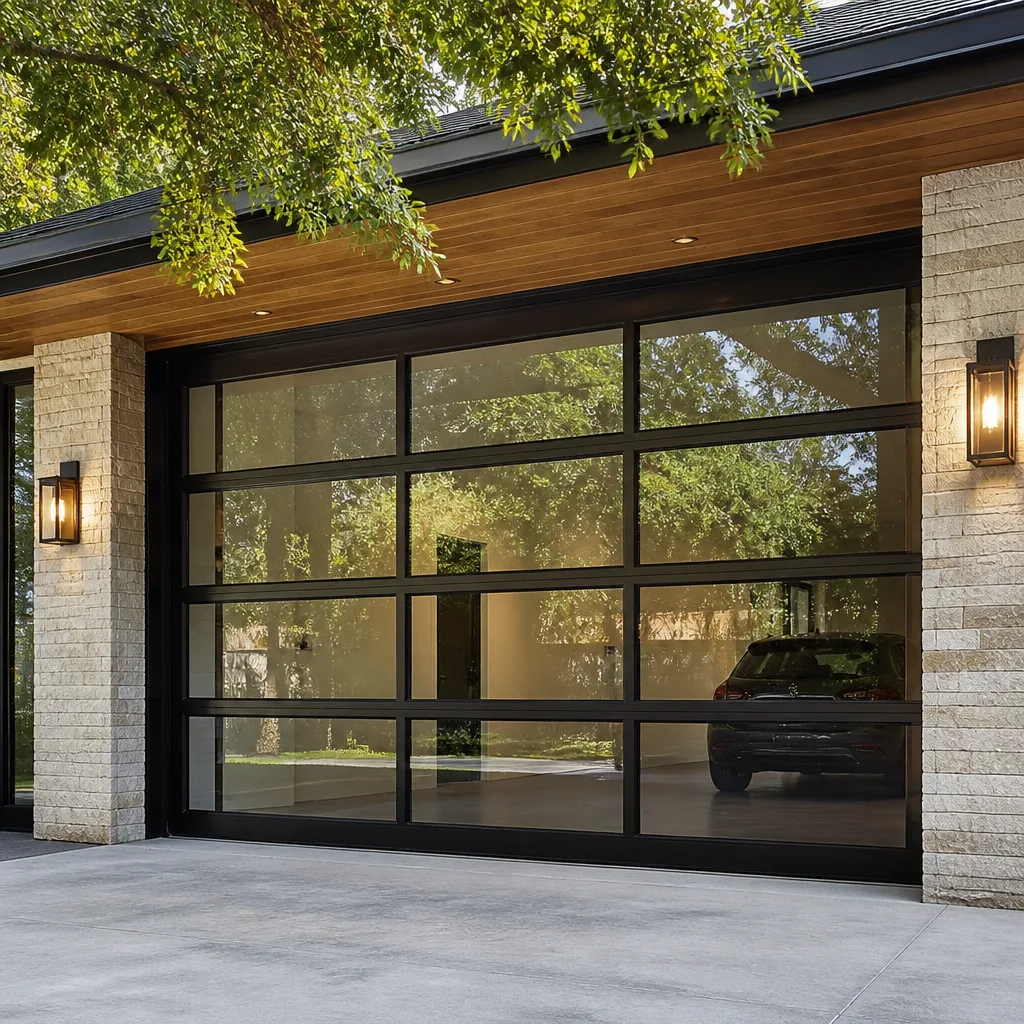 Full-view glass
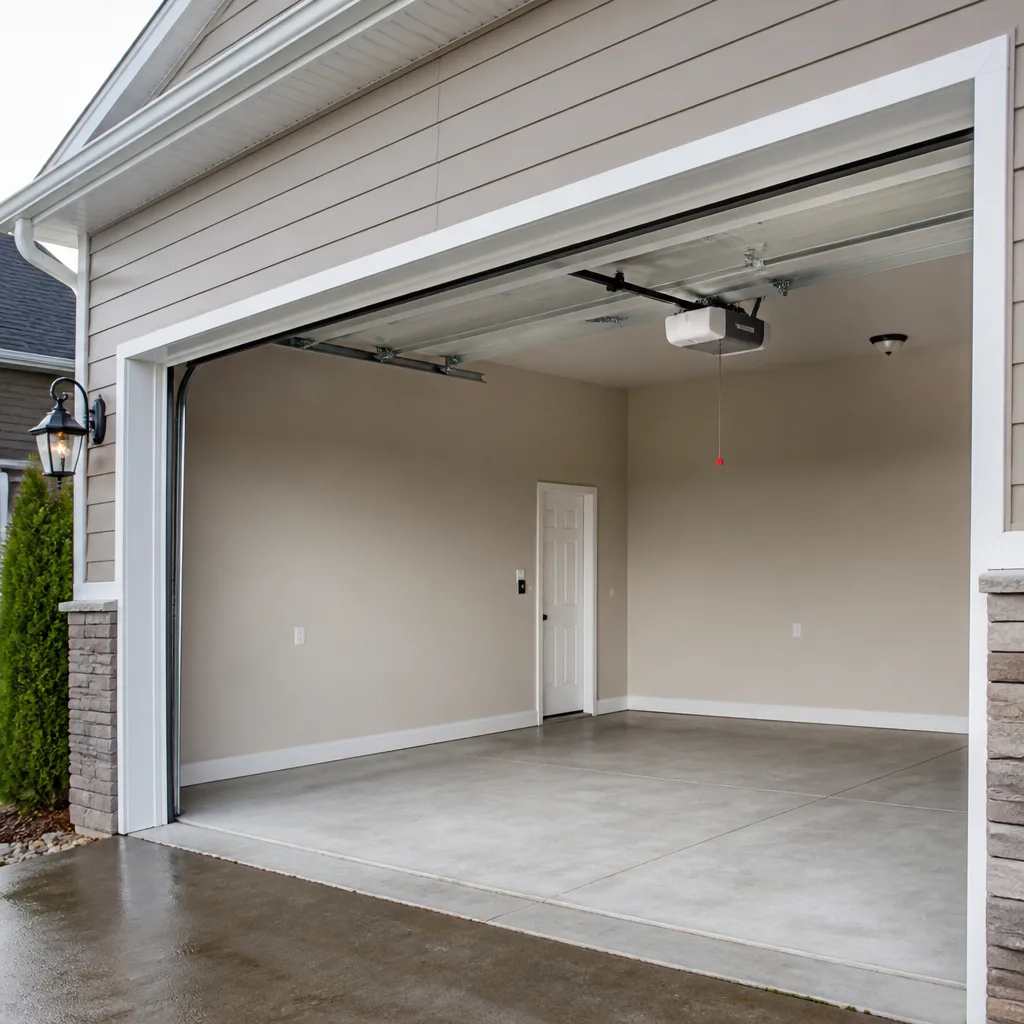 LiftMaster openers
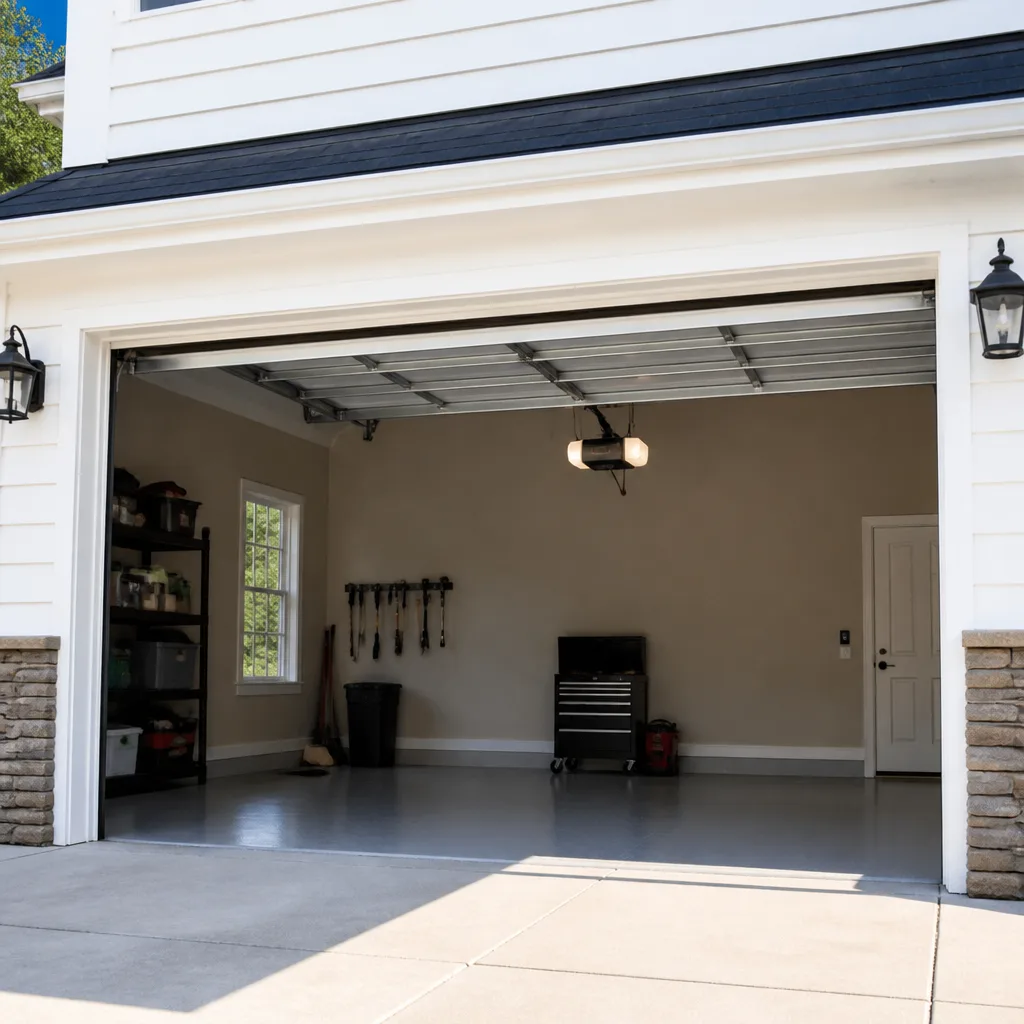 Chamberlain openers
Full 25-point door and opener safety check with every visit - springs, cables, rollers, tracks, and your LiftMaster or Chamberlain opener included
You get a price before we start. It does not change when the pro arrives.
Get your free estimateGarage Door Emergency Preparedness Guide for Bolingbrook Homes
Most emergency garage door advice you’ll find online starts and ends with the same scenario: the power goes out, you pull the red cord, you’re fine. That’s one emergency out of many, and it’s rarely the one that actually traps Bolingbrook homeowners. A snapped torsion spring on a cold morning, a door that jumps its tracks after a windstorm, a lifted panel that won’t seal against an intruder – these don’t care whether your power is on. This guide covers the full set of garage door emergencies a Bolingbrook household can realistically face, the manual release mistakes that turn a stranded car into a dangerous falling door, and the preparedness steps that shorten a multi-hour headache into a five-minute fix. We’ll walk through what to do, what never to touch, and when a same-day call is the right move.
Styles & brands we work with
- Raised-panel steel
- Carriage house
- Modern flush
- Full-view glass
- LiftMaster openers
- Chamberlain openers
Quick Answer
A garage door emergency in Bolingbrook usually falls into one of four categories: a broken spring (the door won’t lift and your car is trapped), a dead opener (the door is stuck in one position), a door off its tracks or damaged by wind, or a door that won’t close and leaves your home unsecured. For each, the safest first move is to stop operating the door and read the situation before touching anything. Springs, cables and track work are professional repairs – call a garage door specialist rather than attempting them yourself. For a stranded car, a manual release works only when the door is fully closed, and forcing a door under spring tension can cause it to free-fall.
Table of Contents
- Why Bolingbrook Homes Face a Wider Range of Garage Door Emergencies
- How to Operate the Manual Release on Your Garage Door Opener
- What to Do If a Broken Spring Traps Your Car Inside
- How to Secure a Garage Door That Won’t Close After a Storm
- Know Your Spring Type Before Anything Goes Wrong
- Preparedness Steps That Turn Hours Into Minutes
- What Emergency Garage Door Service Actually Means
- Common Mistakes to Avoid
- When to Call a Professional
- Frequently Asked Questions
- The Bottom Line
Why Bolingbrook Homes Face a Wider Range of Garage Door Emergencies
Bolingbrook is a suburb where most homes are built around an attached garage, and that single design fact changes what “emergency” means. For a large share of Bolingbrook households, the garage is the primary entry point to the house – the door you open every morning and close every night. When it fails, it doesn’t just inconvenience you; it can lock you out of your own routine.
The local climate creates specific failure patterns. Bolingbrook winters swing hard between freezing nights and warmer days, and that freeze-thaw cycle is brutal on the steel in torsion springs and the lubricant in opener tracks. A spring that’s been slowly weakening all fall can give out on the first genuinely cold morning of the year, right when you need the car. Summer thunderstorms rolling across the western suburbs bring wind gusts that catch a garage door like a sail – a door is a large, flat surface, and a strong gust hitting a partially open door can bend panels or pull the door off its tracks.
Two more Bolingbrook realities raise the stakes. First, many neighborhoods here have attached garages that are the only vehicle exit from the property, so a dead door can genuinely trap a car. Second, a garage door is the largest moving object on a home and the biggest single opening in the exterior envelope. A door that won’t close after a storm leaves that opening exposed to weather and to anyone who wants to walk in.
Here’s the point most emergency guides skip: the response plan for a power outage is completely different from the response plan for a broken spring, which is different again from a door off its tracks. Treating them all as “the garage door won’t work” gets people hurt. Bolingbrook homes need a plan broken down by failure mode, and that’s what the rest of this guide gives you.
How to Operate the Manual Release on Your Garage Door Opener
The manual release is the emergency disconnect that lets you open a garage door by hand when the opener won’t run – typically during a power outage or after an opener failure. It’s a red pull cord or handle hanging from the opener trolley, and every modern opener has one. Used correctly, it’s a five-second fix. Used incorrectly, it can drop a heavy door.
Beyond the simple pull cord most people know, there are a few release styles worth recognizing so you’re not fumbling in the dark:
- Standard trolley pull cord: a red cord hanging from the carriage on a ceiling-mounted chain or belt opener. Most common setup in Bolingbrook garages.
- Wall-mount or jackshaft opener release: common with LiftMaster wall-mount units, where the release is a lever or cord on the side of the opener rather than a hanging trolley cord.
- Slide-lock or manual slide bolt: some older doors have a physical slide bolt or lock bar on the inside of the door itself, independent of the opener.
- Battery-backup openers: many newer Chamberlain and LiftMaster systems keep working briefly on battery, so you may not need the manual release at all during an outage.
Here is the correct sequence for the standard hanging-cord release:
- Close the door completely first. This is the step people skip, and it’s the one that prevents accidents. The manual release is only safe to use when the door is fully down.
- Make sure no one is standing under or near the door. A released door under spring tension can move suddenly.
- Pull the red cord straight down and back toward the opener. The trolley disconnects from the carriage.
- Lift the door by hand. A properly balanced door should lift with reasonable effort. If it feels extremely heavy or won’t stay up on its own, the springs aren’t doing their job – stop and don’t force it.
- Reattach when done by moving the door until the carriage clicks back into the trolley, or reengage per your opener’s manual.
The one mistake that causes real injury: pulling the release cord while the door is open. If you disconnect the opener with the door up, the door is holding its position on nothing but the springs and gravity. Pull the release and the door can free-fall. Always close the door before you pull.
What to Do If a Broken Spring Traps Your Car Inside
A snapped torsion or extension spring leaves the door too heavy for the opener to lift – and often too heavy to lift by hand safely. If your car is inside and you need it, this becomes an urgent situation, but it’s also the one where the wrong move causes the most damage and the most risk.
Start by understanding what a spring does. The spring is a counterbalance – it holds most of the door’s weight so the opener and your arms only have to manage the rest. When a spring breaks, that counterbalance is gone and the full weight of the door (which can be hundreds of pounds on a double-wide door) is suddenly on the opener, the cables, and anything else in the path. The most common sign of a broken spring is a loud bang from the garage, followed by a door that won’t open and a visible gap in the spring coil above the door.
Interim options and what not to attempt, in order of safety:
- Do not force the opener to run. Repeatedly pressing the button on a door with a broken spring strains the opener motor and can snap a cable – turning a spring repair into a much bigger repair.
- Do not attempt to lift the door manually and prop it up. A door with no counterbalance is dangerously heavy and can slam down on a hand, arm or head.
- Do not touch the springs, cables or winding bars yourself. Torsion springs are under extremely high tension. This is the most dangerous part of the entire garage door system and the reason spring repair is a professional job every time.
- Move the trapped vehicle only if there’s a safe, clear path – for example, if you have a second overhead door or a side door large enough to accommodate the car, use it. Otherwise, arrange alternate transportation for the day and call for same-day spring repair.
- Call a specialist who treats spring repair as a core service. This is exactly the repair garage door spring repair is built for, and a technician with the right tools can often have the door working the same day.
Here’s the reassuring part: a broken spring is one of the most routine – and most fixable – garage door failures. It’s a same-day repair far more often than not. The trick is not making it worse before the technician arrives.
How to Secure a Garage Door That Won’t Close After a Storm
A garage door that won’t close after a windstorm or a mechanical failure leaves your home open. Whether the culprit is a bent track, a panel that jumped its roller, a snapped cable, or a safety sensor knocked out of alignment, the result is the same: the door stops partway or reverses, and you’re standing in the driveway at dusk with an open house.
You can secure the opening without tools in most cases. Try these in order:
- Check the safety sensors first. If the door goes down a foot or two then reverses, the photo-eye sensors near the floor at each side of the door are the usual cause. Look for anything blocking them – a shifted box, debris blown in by wind, cobwebs, a sensor knocked out of alignment. Clearing or gently re-aiming the sensors often solves it in under a minute.
- Try the manual release and lower the door by hand if the springs are intact and the door moves freely. On a door with working springs, you can guide it down slowly into the closed position.
- Lock the door down. If the door will close but the opener won’t hold it, engage the manual lock (if your door has one) or disconnect the opener so the closed door stays down.
- Block the opening at the floor with whatever sturdy objects you have – a heavy piece of furniture, loaded storage bins, a parked vehicle positioned close to the opening on the inside – as a temporary barrier until repair.
- Do not tape, wedge or force a warped panel straight. A bent panel or popped roller means the door is off its intended track, and forcing it can drop it or damage the opener.
Wind damage in Bolingbrook tends to show up as bent bottom sections, popped rollers and track misalignment on the windward side of a home. If the door went off its tracks, that’s a repair situation, not a securing situation – don’t run the opener on a door that’s visibly off-track. Get it secured at the floor and call for repair.
Know Your Spring Type Before Anything Goes Wrong
Knowing which spring system your door uses before an emergency is one of the highest-value five minutes you can spend on garage door preparedness. It tells you what can fail, how the door will behave when it does, and what the technician will need to know when you call.
There are two main systems in Bolingbrook homes:
- Torsion springs: mounted horizontally on a shaft above the door, usually one spring or a matched pair. When a torsion spring breaks, you’ll typically hear a loud bang, and the door won’t lift. Torsion springs are the more common setup on newer doors and are the highest-tension component in the system.
- Extension springs: mounted vertically along the horizontal tracks on each side of the door, running alongside safety cables. They stretch rather than wind. Extension springs tend to stretch and weaken gradually, and they can break with more warning signs (visible gaps, stretched coils, rust).
Springs are rated by cycle count, which is the number of open-and-close cycles they’re designed to last. Standard springs are rated for a moderate cycle count, and higher-cycle springs last longer – that’s a decision to discuss with your technician when a spring is replaced, because the right choice depends on how often your household uses the door. A door used a dozen times a day will wear its springs faster than one used twice.
You don’t need to measure your springs yourself – leave that to a technician. What you should note down for your own records:
- Spring type (torsion or extension)
- Number of springs (one, or a matched pair)
- The door’s approximate weight class (single-car or double-car width)
- Brand of the door and brand of the opener if you can find the labels
Writing this down and taping it inside the garage means that when something breaks, you can tell the dispatcher exactly what you have instead of describing it from memory while your car sits stuck.
Preparedness Steps That Turn Hours Into Minutes
The difference between a garage door emergency that costs you an hour and one that costs you a whole day is almost always preparation – not luck. Here are the steps worth taking now, while everything works, so that a failure later is a minor disruption instead of a crisis.
- Learn your manual release before you need it. Find the red cord or release on your opener today and test the release on a day when the door is fully closed and you have ten minutes to reengage it. Familiarity is the single biggest time-saver.
- Add battery backup or a UPS to your opener. Many newer LiftMaster and Chamberlain openers accept a battery-backup unit that keeps the opener running during an outage. If your opener doesn’t support one, a small uninterruptible power supply (UPS) wired to the opener can bridge short outages.
- Keep a battery-powered lantern or flashlight mounted near the garage door. You’ll need light to troubleshoot, and the overhead light won’t work if the power is out.
- Write down your door and opener brands. Note whether it’s a LiftMaster, Chamberlain, Genie, Craftsman, Raynor, Clopay, Amarr or Wayne Dalton system. Brand knowledge speeds up diagnosis and parts identification.
- Lubricate and visually inspect twice a year. Wipe the tracks clean and apply a garage-door-specific lubricant to hinges, rollers and the spring. Look for rust, gaps in springs, frayed cables and loose hardware. Catching a weakening spring before it snaps is the best prevention there is.
- Test the safety sensors and the auto-reverse monthly. Place a box in the door’s path and confirm the door reverses. A working safety system prevents more emergencies than it prevents injuries.
- Have a backup entry plan. If your garage is your only way in or out, know your side door route or keep a house key accessible. Don’t find out about a lockout during an emergency.
These steps take an afternoon all together, or fifteen minutes spread out. Each one shortens the response time from a phone call to a working door.
What Emergency Garage Door Service Actually Means
“Emergency service” gets thrown around loosely, so it’s worth knowing what to expect from a real Bolingbrook-area contractor – and what questions to ask when you call. A genuine emergency service line means the phone is answered when you need it, the failure is diagnosed accurately, and a technician is dispatched to get you back to a working door, often the same day the problem happens.
When you call garage door repair, here’s what a well-run emergency response looks like:
- Someone answers and asks the right questions. What’s the failure mode? Broken spring, dead opener, off track, won’t close? Which brand is the door and the opener? What’s the door width and spring type if you know it? Good questions mean the technician arrives with the likely parts.
- You get a clear diagnosis before work starts. A technician inspects the door, explains what failed, and gives you an estimate in writing before touching anything.
- The estimate is set per job. You approve the written price before any work begins. The final price is the number you agreed to, not a surprise.
- The full system gets checked. An experienced technician looks at the springs, cables, rollers, tracks, opener and safety sensors, because an emergency on one part often reveals a second part about to fail.
- One company, start to finish. The same company that diagnoses the door can repair the opener, fix the spring, or install a new door – you’re not handed off or told your job is out of scope.
We work on the brands Bolingbrook homes actually have – LiftMaster, Chamberlain, Genie, Clopay, Amarr, Wayne Dalton, Craftsman and Raynor – so a mixed-brand setup (say, a Clopay door with a LiftMaster opener) isn’t a problem. Our technicians have up to 11 years of experience, and garage door opener repair is part of the same visit. The point of preparedness is not that you can fix everything yourself – it’s that you know exactly what to do, who to call, and what to expect when the call is made.
Common Mistakes to Avoid
- Pulling the manual release while the door is up. This is the single most dangerous mistake in this guide. Disconnecting the opener on an open door removes the only thing holding it in position aside from the springs, and the door can free-fall.
- Running the opener on a door with a broken spring. Every cycle strains the motor and cables against a door far heavier than designed, turning a spring repair into an opener-and-cable repair. Stop the opener and call.
- Trying to lift a bent or off-track door by hand. A door that’s off its tracks under spring tension can drop unexpectedly. Secure it at the floor and call for repair – this is not a homeowner fix.
- Touching springs or cables. Torsion springs are under extremely high tension. The winding-bar work is where the real danger lives, and it’s why spring repair is always a professional job.
- Assuming “it’s just the remote” when the door won’t open. Sometimes a dead remote masks a failing opener logic board or a snapped spring. Diagnose the whole system, not just the obvious part.
- Ignoring a door that closes but reverses. That reversing behavior is often a sensor or travel-limit issue that, if neglected, can leave the door unable to close at all in a worse failure later. Get it looked at while it’s still minor.
- Never testing your manual release until you need it. Bolingbrook homeowners who learn the release on a clear afternoon handle an outage in minutes. Those who learn it during a February storm in the dark take much longer.
When to Call a Professional
Some failures are safe to handle yourself. If the remote battery is dead, the sensor is blocked by a stray box, or the opener needs a fresh battery-backup unit, you can handle that in minutes. But certain situations call for a trained technician every time. A broken spring, a snapped or frayed cable, a door that has jumped its tracks, a door that fell or slammed, visible damage after wind, or any situation where the door won’t open and your car is trapped – these are professional calls. Springs and cables under tension are genuinely dangerous, and a door that’s off its tracks can drop without warning. When you’re not sure, that’s a sign to call. Bolingbrook Garage Door Repair Pros offers free estimates in Bolingbrook – call (844) 482-4453, and we can help you sort out what failed and what it will take to fix it.
Frequently Asked Questions
Close the door fully first, then pull the red manual release cord straight down and back toward the opener to disconnect the trolley, and lift the door by hand. If your opener has battery backup, the door may still run electrically for a while before you need the release. Never pull the release cord while the door is open under spring tension, as the door can free-fall. Call (844) 482-4453 for an exact quote on any repair – estimates are free. We answer 24/7. Fast dispatch from 7am to 7pm, Sunday through Friday.
A broken torsion spring usually shows a visible gap of a few inches in the coiled spring above the door, and you’ll often have heard a loud bang when it snapped. An extension spring shows the break more clearly as a stretched-out or separated spring along the side track. Either way, don’t operate the door – a door with a broken spring is too heavy for the opener and unsafe to lift by hand. Call (844) 482-4453 and we’ll get a technician out to repair the spring. Same-day service is often available.
You can sometimes lift a single-car door with a broken spring by hand, but a double-car door is usually too heavy to lift safely – don’t force it. The real risk is that the door can come down hard on you or the mechanism. The safer path is to leave the door closed, arrange alternate transportation if a car is trapped, and call a specialist for same-day spring repair. Call (844) 482-4453 for a free estimate.
First check whether a blocked or misaligned safety sensor is causing the door to reverse – clearing it often fixes the problem in under a minute. If the door still won’t close, use the manual release to lower it by hand if the springs are intact, lock it down if your door has a manual lock, and block the opening at the floor with heavy objects until repair. Don’t force a bent panel or off-track door – call (844) 482-4453 for repair.
A true emergency is any failure that traps a vehicle, leaves your home open, or creates a safety risk – a broken spring with a car inside, a door off its tracks, visible storm damage, or a door that won’t close at night. Failures like a dead remote or a blocked sensor usually aren’t emergencies and can wait for a routine visit. If you’re not sure whether yours is an emergency, call us and we’ll help you decide. Call (844) 482-4453 – we answer 24/7.
Yes – we service the brands Bolingbrook homes most commonly have, including LiftMaster, Chamberlain, Genie, Clopay, Amarr, Wayne Dalton, Craftsman and Raynor. That covers the door and the opener, even in mixed-brand setups. If you’re not sure what you have, we can identify it during the visit. Call (844) 482-4453 – estimates are free and we’ll work through the diagnosis before quoting.
The Bottom Line
A garage door emergency in Bolingbrook is never just a broken door – it’s a stranded car, an open house, or a safety hazard, and the right response depends entirely on which failure happened. The biggest safety rule: never pull the manual release on an open door, and never touch a spring or cable yourself. The biggest preparedness rule: know your spring type, your door and opener brands, and how your manual release works before you need them. The biggest practical rule: stop the door, secure it, and call a specialist for anything involving springs, tracks or cables. Bolingbrook Garage Door Repair Pros handles garage door spring repair, garage door opener repair and garage door repair as a single source – one call, one visit, no handoffs. Our technicians have up to 11 years of experience, and we work on your brand. For a free estimate on any garage door problem in Bolingbrook, call (844) 482-4453. We answer 24/7. Fast dispatch from 7am to 7pm, Sunday through Friday. You can also start at Bolingbrook Garage Door Repair Pros for the full service lineup.
Written by the team at Bolingbrook Garage Door Repair Pros.
See the difference
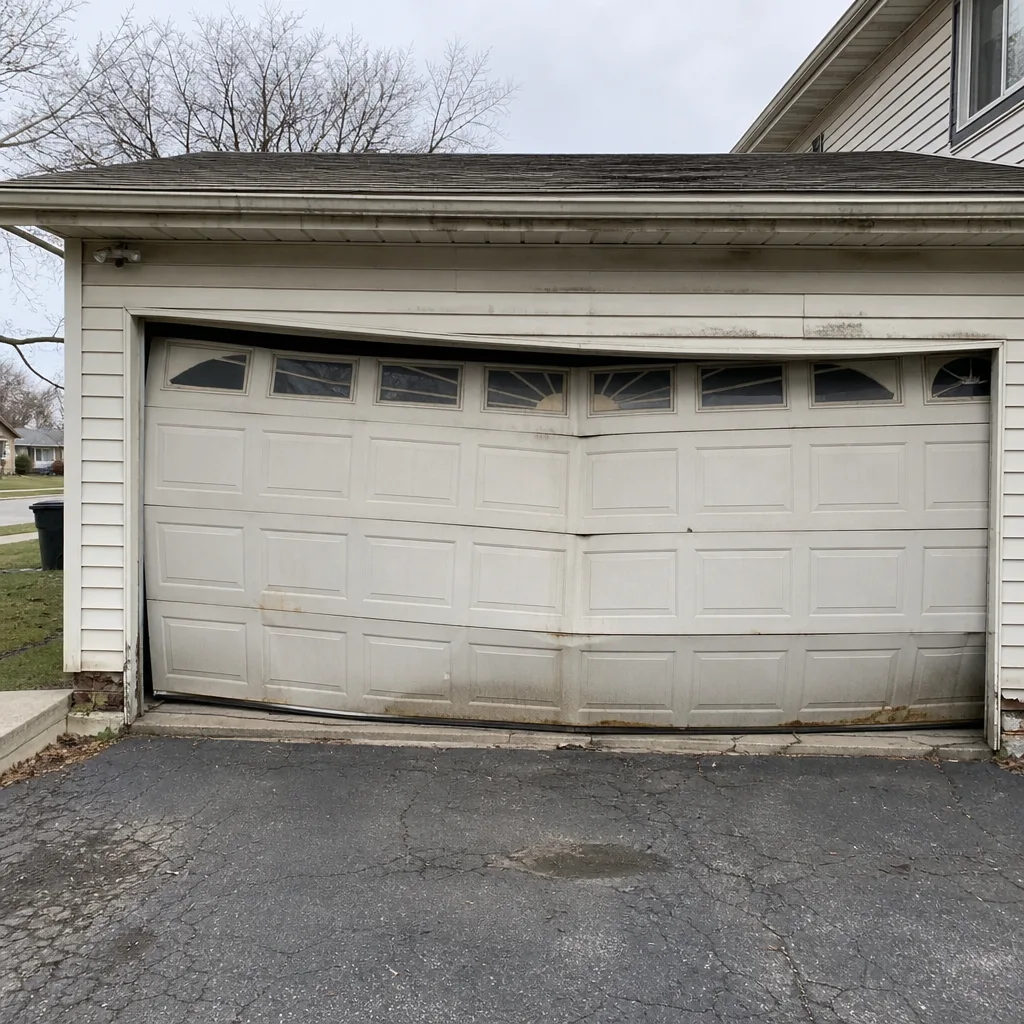 Before
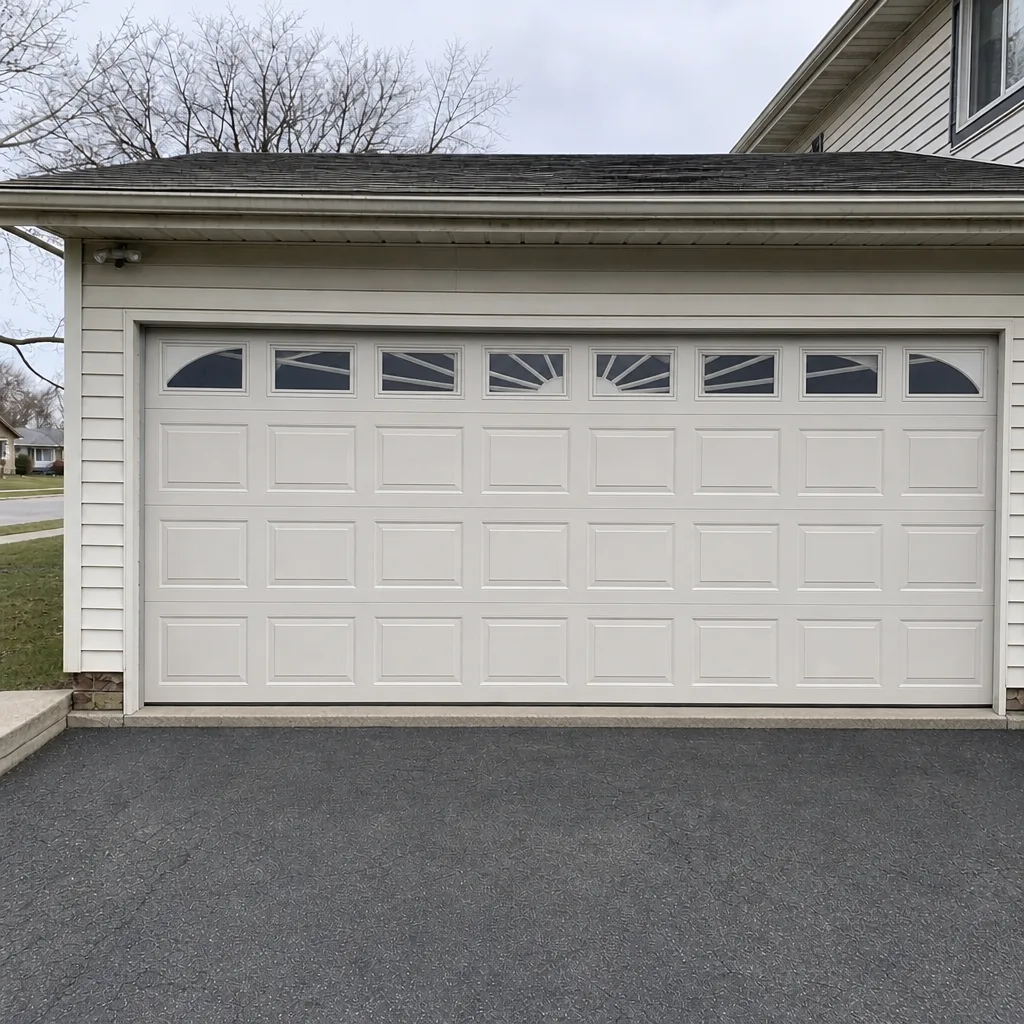 After
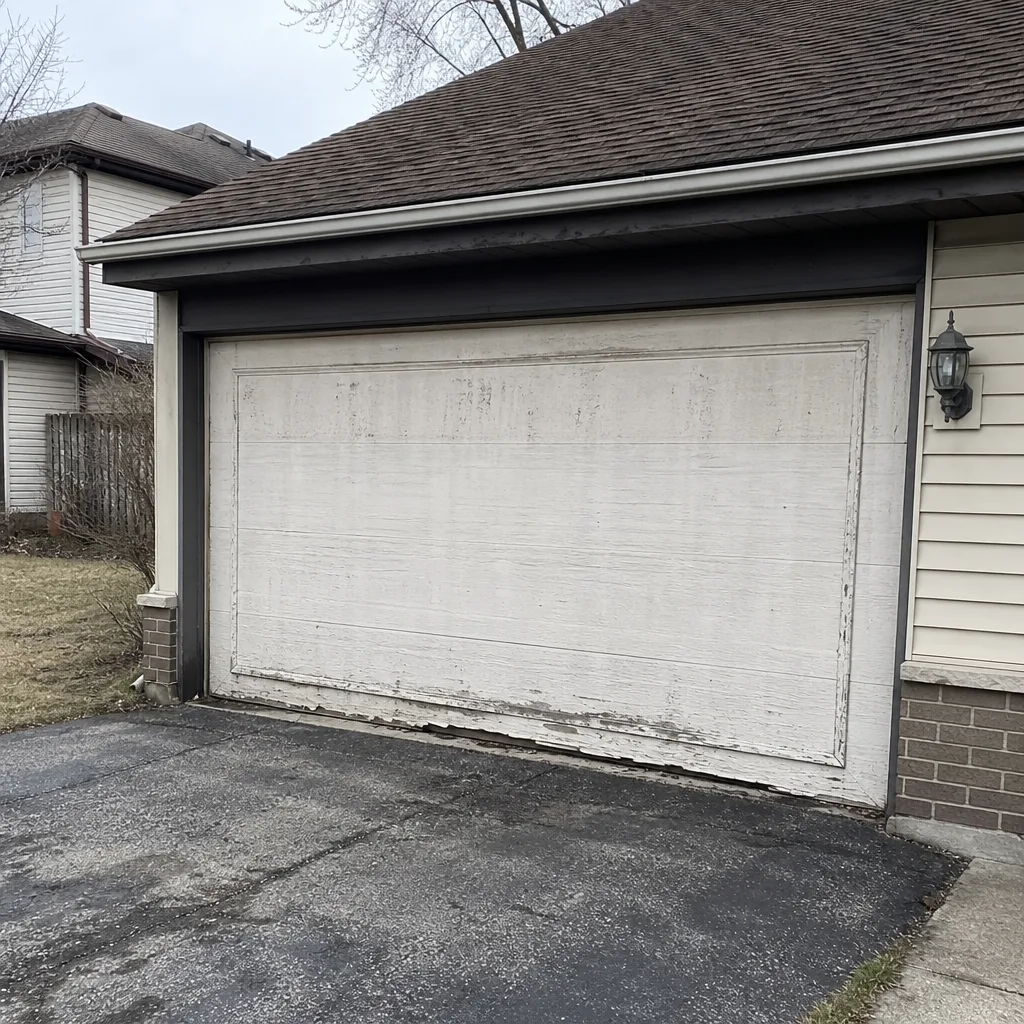 Before
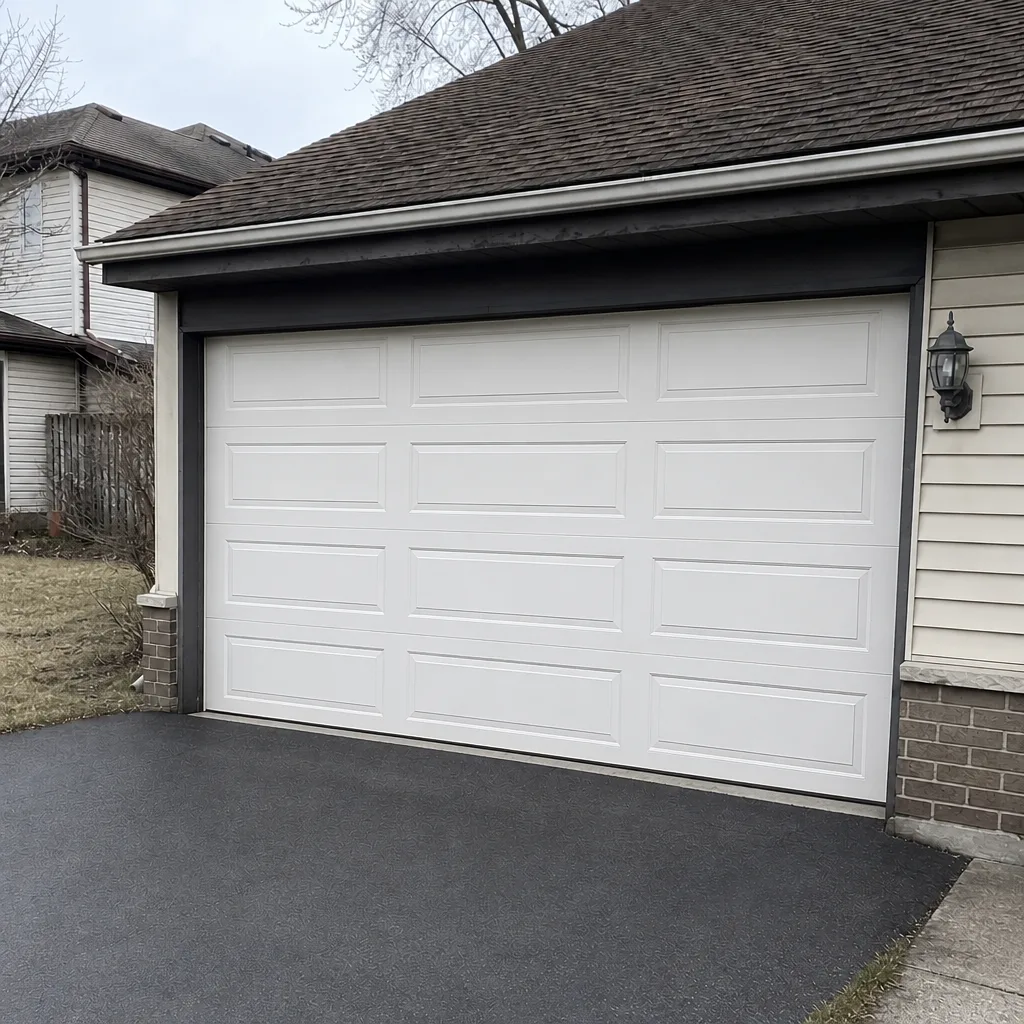 After
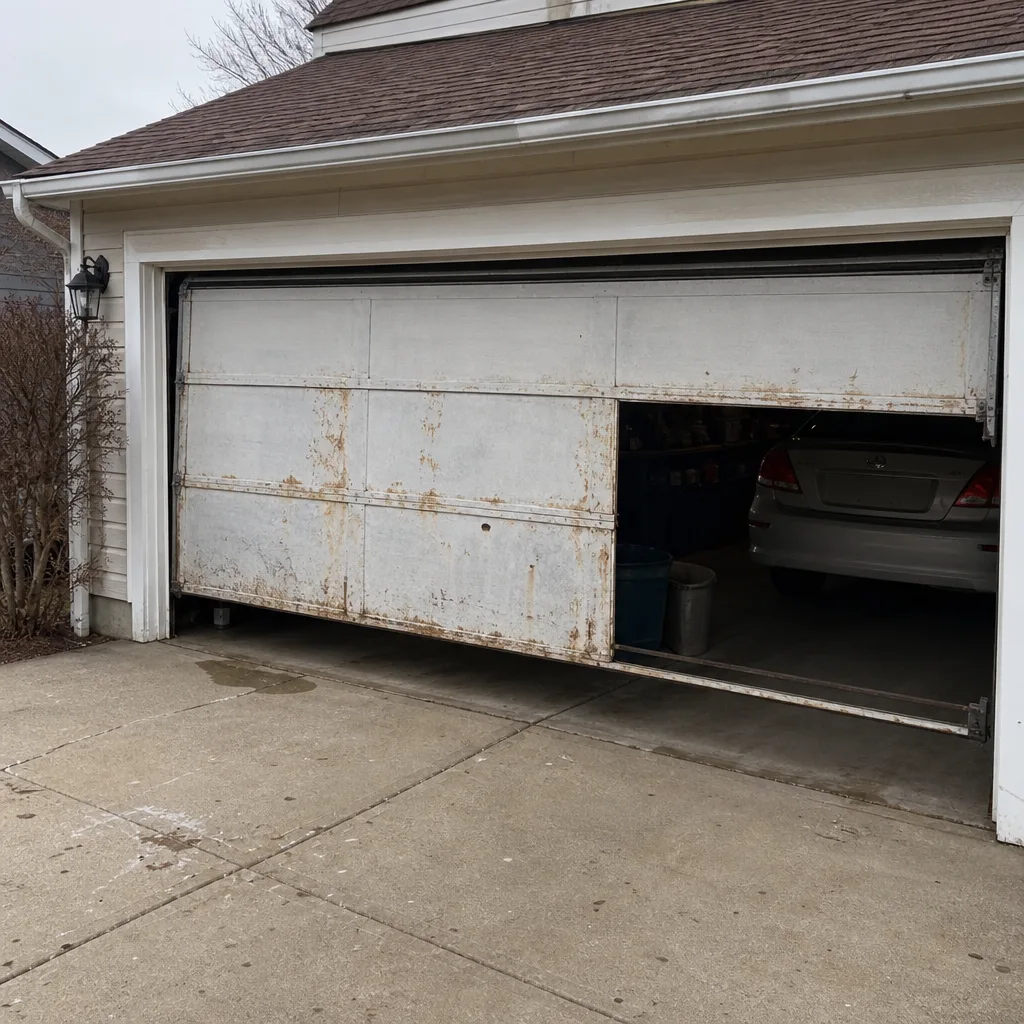 Before
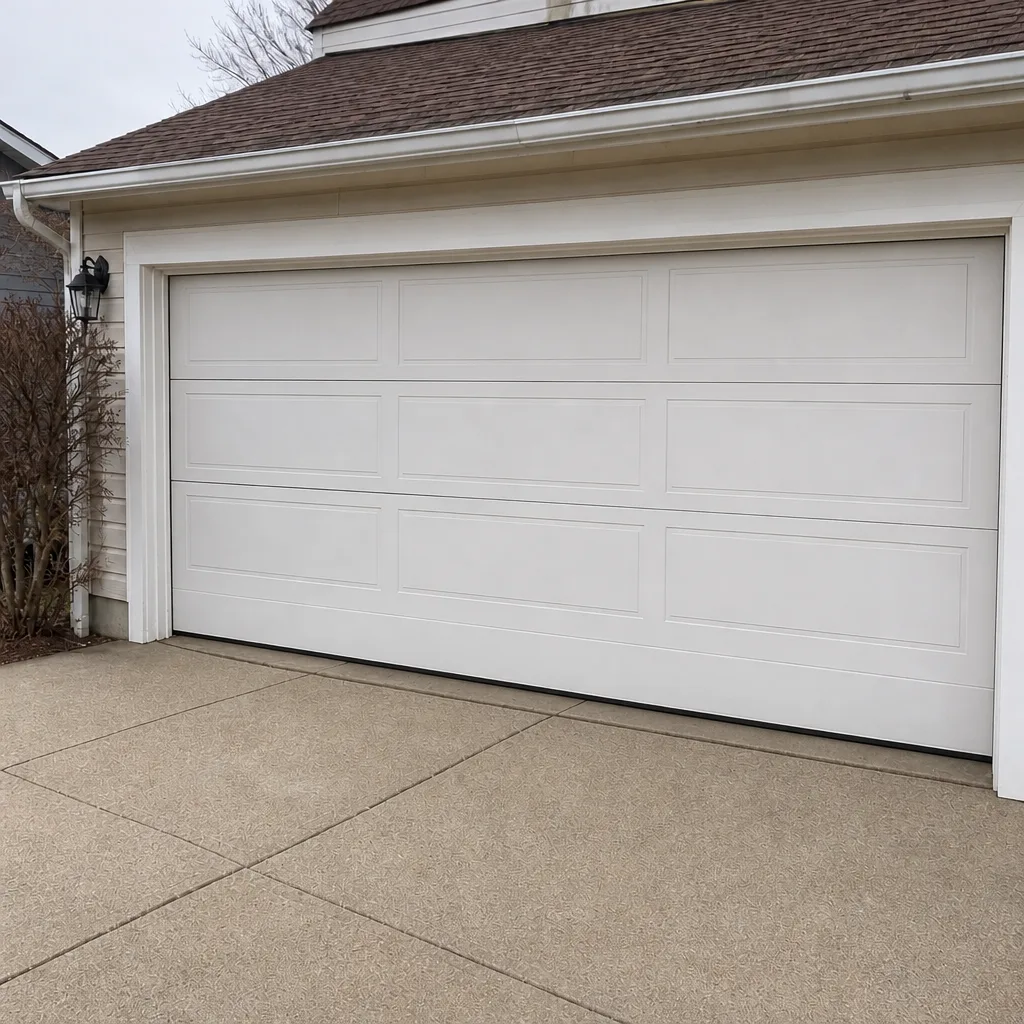 After