
Last updated November 23, 2026
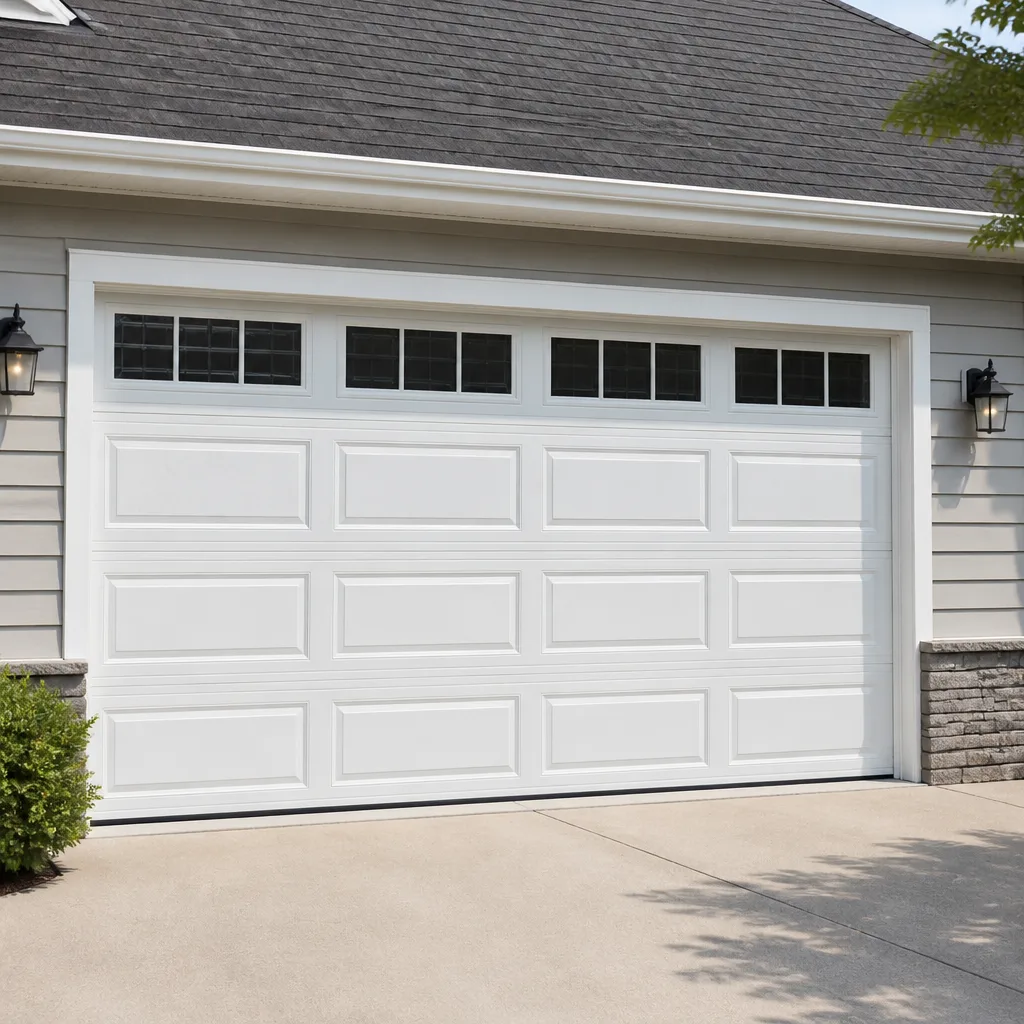 Raised-panel steel
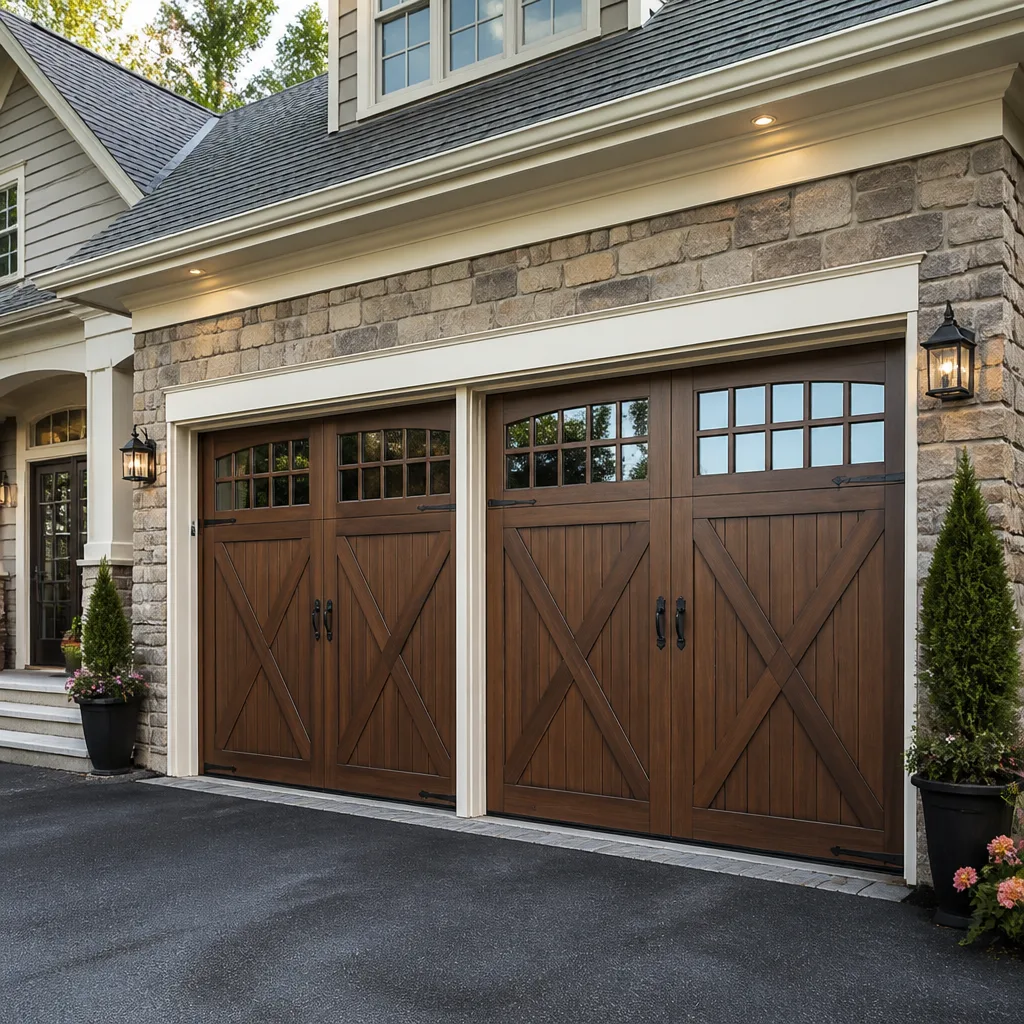 Carriage house
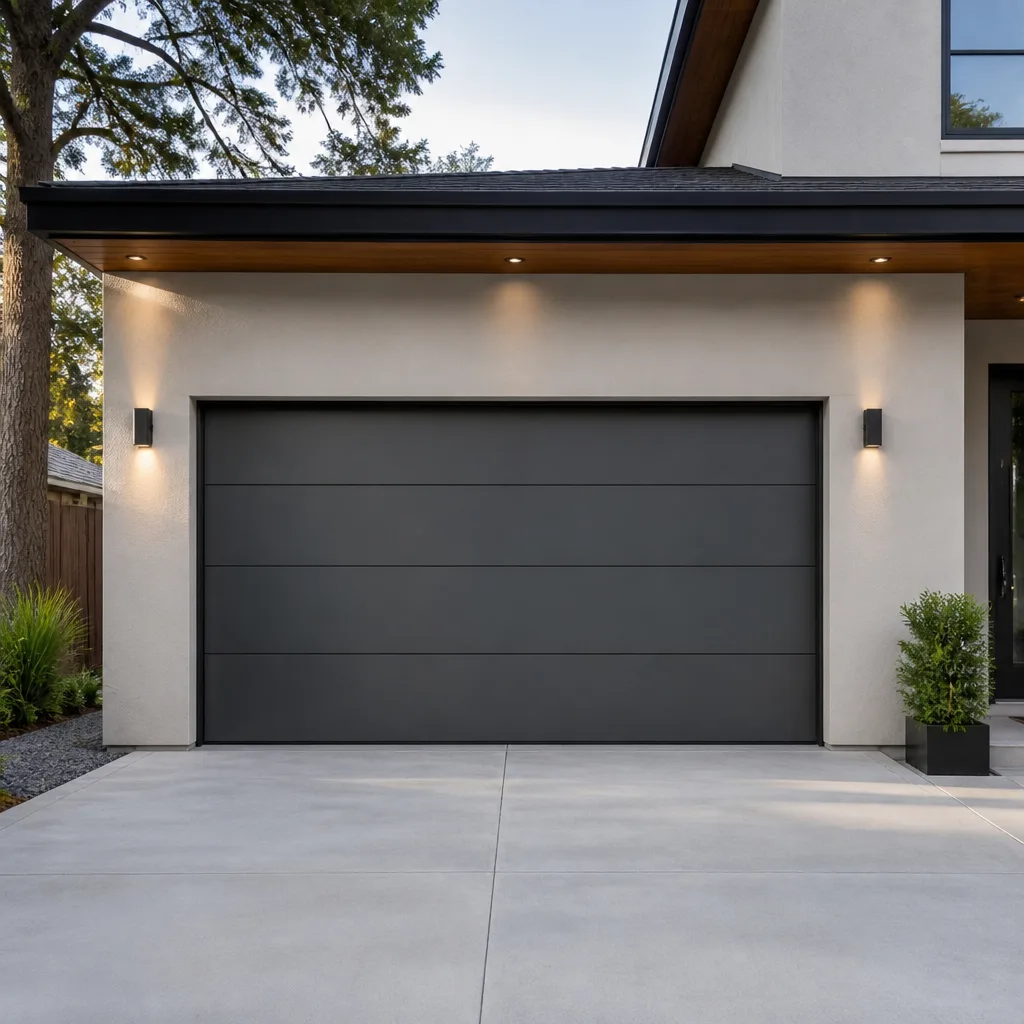 Modern flush
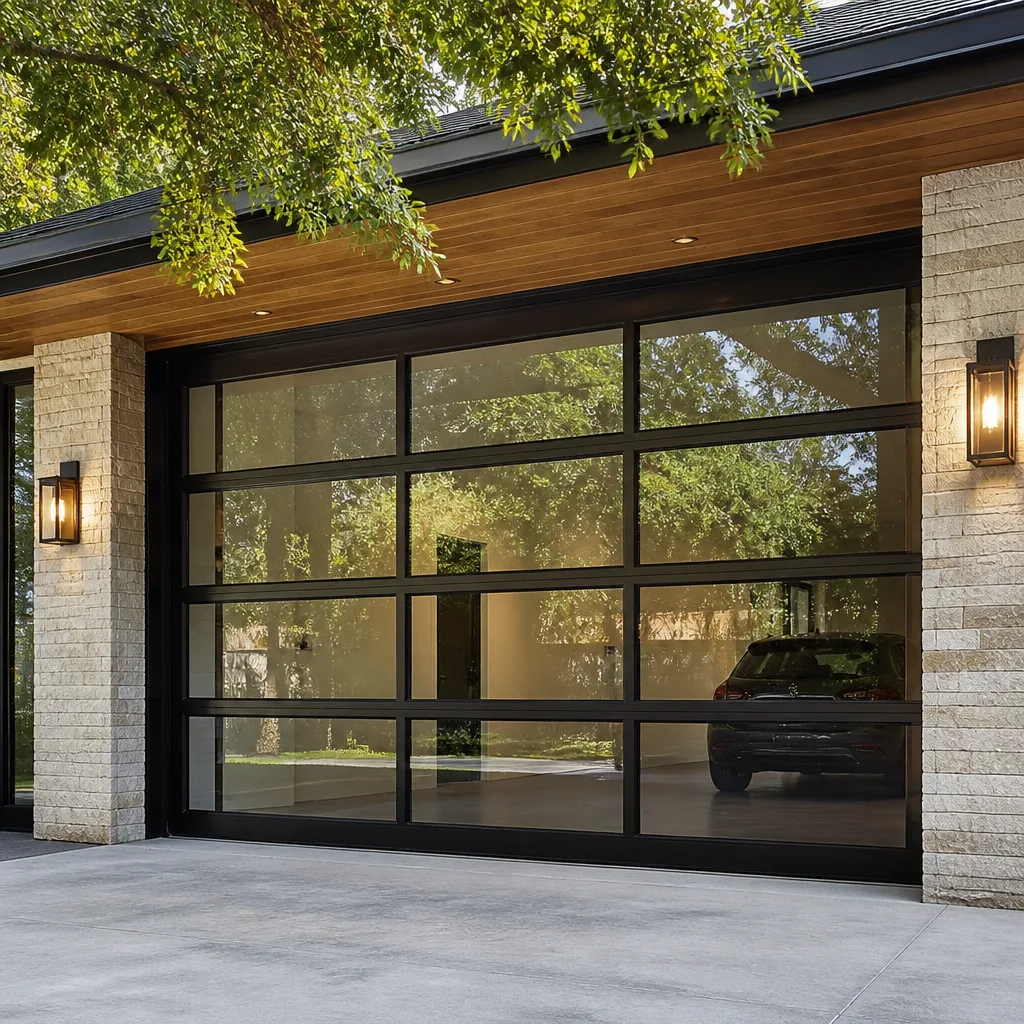 Full-view glass
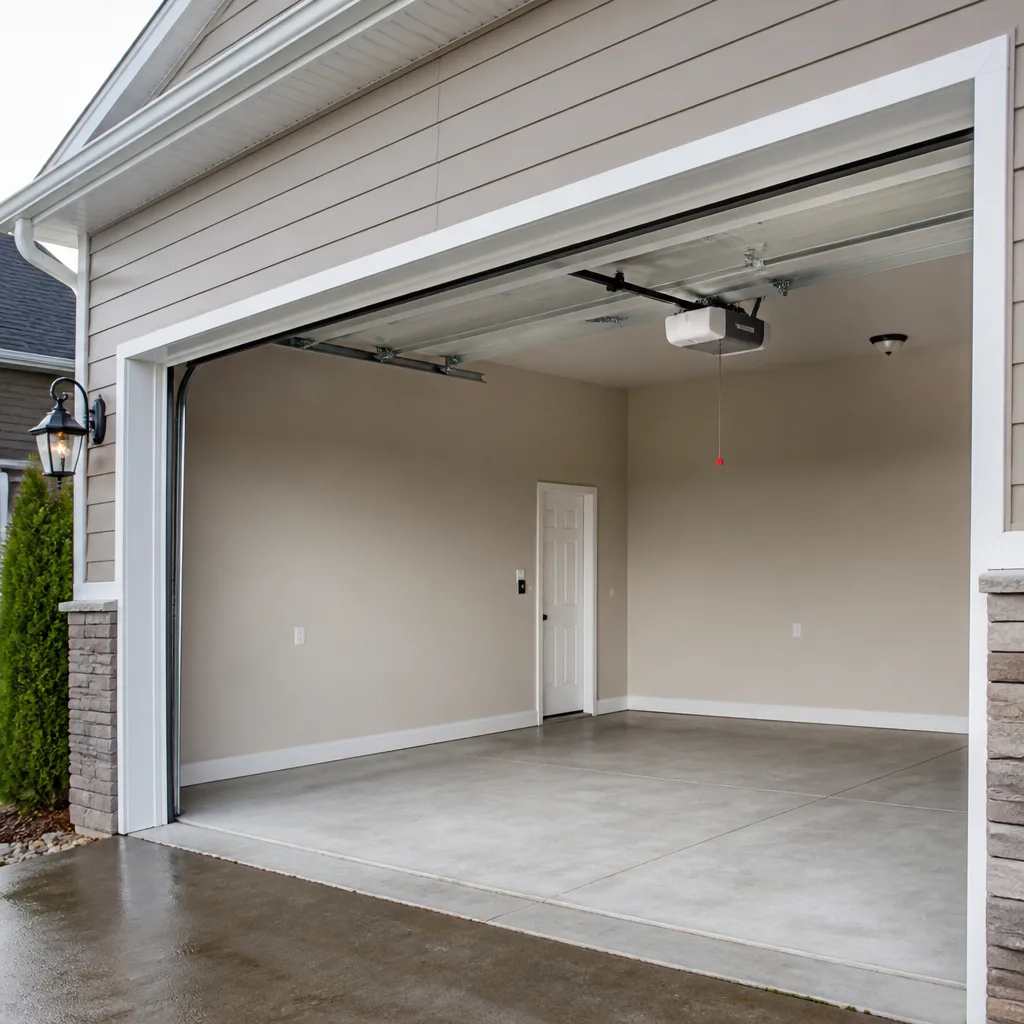 LiftMaster openers
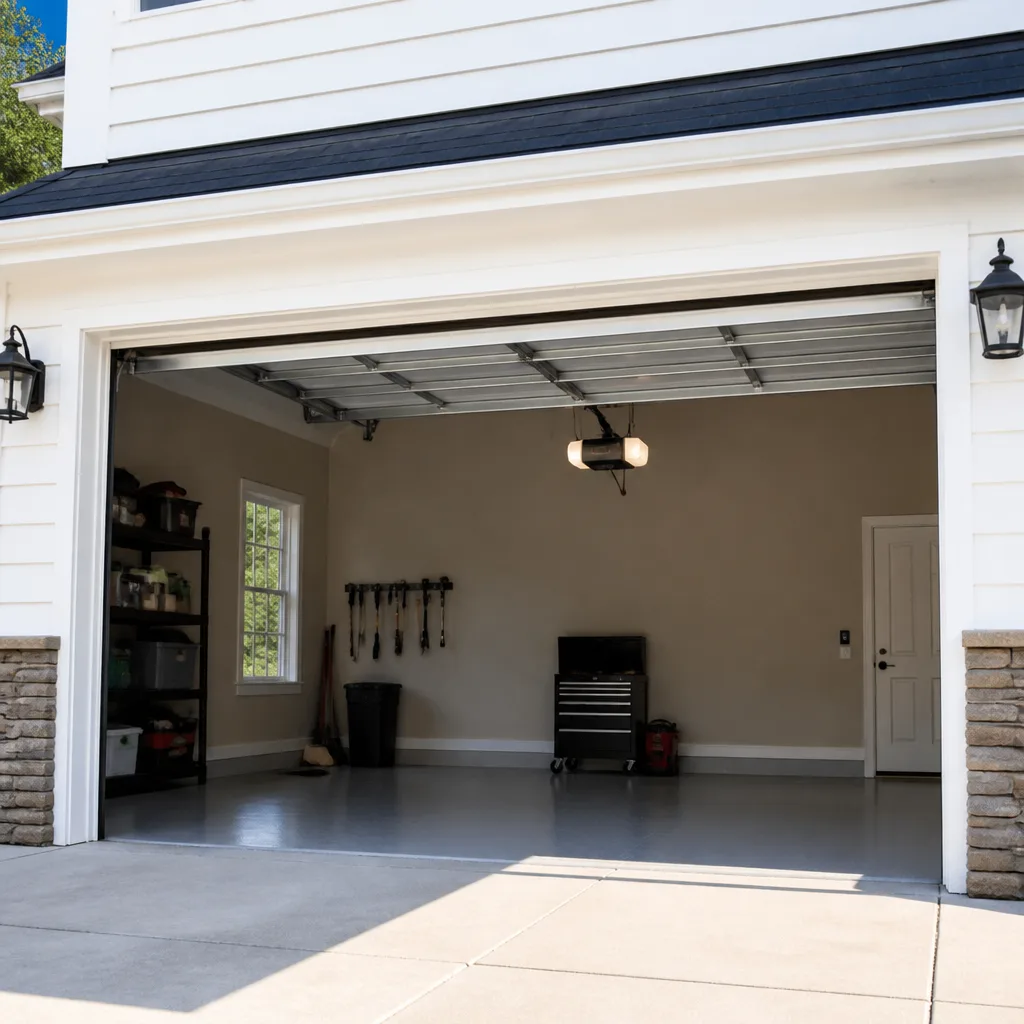 Chamberlain openers
Full 25-point door and opener safety check with every visit - springs, cables, rollers, tracks, and your LiftMaster or Chamberlain opener included
You get a price before we start. It does not change when the pro arrives.
Get your free estimateSeasonal Garage Door Care for Bolingbrook: Year-Round Homeowner’s Guide
Ask most homeowners in the Chicago suburbs when garage doors break, and they’ll guess summer storms or the dead of winter. The truth is less tidy. The heaviest week of service calls usually lands on the first real cold snap of November, when three things go wrong at once: grease that was never re-applied stiffens and drags, opener batteries that quietly died sit unnoticed until the power flickers, and panels that swelled in the October rain no longer slide clean. A door that felt fine on Halloween can refuse to close by the first hard freeze. That’s not bad luck. It’s deferred fall prep meeting Bolingbrook weather. This guide breaks the year into four distinct maintenance seasons, each with its own tasks and failure modes, so your door is ready before the conditions that test it arrive.
Styles & brands we work with
- Raised-panel steel
- Carriage house
- Modern flush
- Full-view glass
- LiftMaster openers
- Chamberlain openers
Quick Answer
Garage door care in Bolingbrook works best when you stop treating maintenance as one annual chore and split it into four seasonal passes: a fall prep before the first freeze, a winter watch for freeze-related failures, a spring check after freeze-thaw, and a summer tune-up for heat and humidity. The tasks differ sharply by season because the stressors do: cold contracts and stiffens, ice adds weight, freeze-thaw warps, and summer heat strains openers and finishes.
Table of Contents
- Why Seasonal Care Matters More in Bolingbrook
- Fall: Preparing Your Door Before the First Freeze
- Winter: The Failure Modes Bolingbrook’s Cold Creates
- Spring: What Freeze-Thaw Leaves Behind
- Summer: Humidity, UV, and Opener Heat
- Month-by-Month Maintenance Calendar
- Which Tasks You Can Do and Which Need a Pro
- Common Mistakes to Avoid
- When to Call a Professional
- Frequently Asked Questions
Why Seasonal Care Matters More in Bolingbrook
Bolingbrook sits in a climate of real swings. January wind chills push well below zero, and July humidity climbs past 90°F. Your garage door lives outside the conditioned envelope of the house, so it takes both extremes full force, and it does so on a steel-and-hardware assembly that expands, contracts, and flexes every time the temperature moves. The house stays comfortable. The door does not.
That swing has consequences that a single annual tune-up can’t catch. Cold metal contracts, which loads springs differently than they’re loaded in mild weather. Ice accumulates in the gap where the door meets the ground, and the opener has to lift that added weight every cycle. Freeze-thaw cycles in late winter work moisture into the smallest cracks in wood, paint, and seals, then expand it. Summer heat does its own damage: it bakes UV into painted steel, drives humidity into wood doors, and pushes opener motors toward thermal cutout thresholds.
What this means for a Bolingbrook homeowner is simple. The service that saves you a spring failure in February is not the same service that protects your paint in August. Each season asks something specific of your door and your hardware, and the right response changes with the calendar. Getting ahead of that cycle is the difference between routine upkeep and a same-day emergency call in the worst weather of the year. It’s also the reason we treat maintenance as four passes instead of one, and why our Bolingbrook Garage Door Repair Pros team sees the seasonal pattern repeat across the neighborhoods where we work.
Fall: Preparing Your Door Before the First Freeze
Fall is the highest-leverage maintenance season of the four. Do this pass well in October, and the failures that would otherwise stack up in November simply don’t happen. Three tasks define it: seals, lubrication, and battery backup testing.
Check the weatherstripping and bottom seal before the first freeze. The bottom seal is the rubber or vinyl strip that presses against the concrete when the door closes. It’s the barrier that keeps cold air, snow, and moisture out, and it’s the first thing to crack when it dries out. Run a hand along it and look for hardening, splits, or sections that no longer sit flush. A seal that’s already cracked in October will let meltwater collect in the gap and refreeze, which is how doors get frozen to the ground.
Lubricate before the cold thickens what’s already there. Garage door grease and old lubricant stiffen as temperatures drop. A roller that spins freely at 50°F can drag noticeably at zero, and that drag translates into strain on the opener and the spring. Applying a proper garage door lubricant to hinges, rollers, and springs in the fall sets the door up to move easily through the coldest weeks.
Test the opener’s battery backup before outage season. Winter storms knock out power, and a door opener with a dead backup battery leaves you locked out of your own garage exactly when you need to get inside. Most openers from LiftMaster and Chamberlain include a backup battery that needs an actual test, not just an assumption that it’s fine. Trip the breaker or use the opener’s test procedure to confirm it opens under battery power.
A Fall Checklist for Bolingbrook Homeowners
- Inspect the bottom seal and weatherstripping along the sides and top for cracks, hardening, or gaps.
- Apply fresh garage door lubricant to hinges, rollers, and springs while temperatures are still mild.
- Test the opener’s battery backup and replace the battery if it doesn’t hold.
- Clear the tracks of debris and confirm the door runs the full cycle without catching.
- Check the gap at the ground after closing; adjust the seal travel if light shows through.
In our experience, this five-step pass in October is what separates a quiet winter from a November service call. If the seal is badly worn or a spring looks tired, that’s the moment to schedule garage door repair, while the weather still allows a comfortable, unhurried job.
Winter: The Failure Modes Bolingbrook’s Cold Creates
Winter doesn’t invent new failures. It exposes the ones you didn’t address, then adds three stressors unique to cold weather: the freeze at the ground, spring stress from contraction, and opener strain from ice weight.
Door-to-ground freeze. This is the classic cold-weather failure in Bolingbrook. Melting snow runs down the door or drips from a car’s undercarriage, pools in the gap under the bottom seal, and refreezes overnight. By morning the door is literally bonded to the concrete, and the opener lifts against that bond. The seal you checked in fall is your defense. In deep winter, a quick visual check of the gap before you hit the opener avoids a lot of grinding.
Contraction-related spring stress. Torsion and extension springs are rated and tuned for a range of temperatures, and cold metal behaves differently than warm metal. A spring that’s near the end of its life in mild weather is more likely to let go in a hard freeze, and it tends to happen when the door runs its first cold-weather cycle. This is why spring failures cluster in the coldest weeks.
Opener strain from ice weight. Ice on the door’s surface or in the lift mechanism adds weight the opener wasn’t designed to lift every cycle. Combined with a stiff roller or a cold-stiffened spring, it can trip a safety stop or wear the opener’s drive mechanism faster. If your opener struggles and reverses partway through the cycle, that’s a signal to inspect the door’s balance and the ice load before running it again.
One word of caution on winter repairs. Springs and cables under tension are dangerous, and a cold spring is brittle and unpredictable. If a spring breaks in a Bolingbrook January, don’t try to wrestle the door up by hand or attempt a replacement yourself. Our technicians handle the high-risk spring repairs that most other services downplay, and a winter break is exactly the scenario where a trained pro matters most. If it happens after dispatch hours, know that we book the job into the next opening.
Spring: What Freeze-Thaw Leaves Behind
Spring is the season of checking what winter did. Freeze-thaw cycles repeat for weeks in Bolingbrook, and each thaw works moisture into cracks that the next freeze expands. By the time the ground thaws, the damage is usually minor and cheap to fix, but only if you catch it.
Check for frame warp. Moisture in the door frame and jamb can warp wood and shift trim as it freezes and thaws. Look for gaps that weren’t there in the fall, trim that’s pulling away, and any spot where the door no longer sits flush against the opening. A frame that’s out of square will make the door drag or bind on one side.
Inspect roller wear from ice drag. Winter ice and stiff cold put extra friction on the rollers, and a season of dragging leaves them worn, flat-spotted, or noisy. Worn rollers are a common cause of the door doing the “shudder” on the way up. This is also a good season to check the hinges and the track for any loosened fasteners.
Look at bottom seal cracking. The bottom seal that survived October may not have survived a full winter of ice and expansion. Cracks that appeared over the winter will let in spring rain and summer heat. Replacing a bottom seal in spring is one of the least expensive ways to protect the door and the garage’s interior for the rest of the year.
Spring is also a practical moment to schedule your garage door spring repair if the cold caught you out or if the door has felt unbalanced since winter. Getting springs, rollers, and seals right in April means the door runs cleanly through the heat to come.
Summer: Humidity, UV, and Opener Heat
Summer flips the script. The cold that stressed springs in winter gives way to heat that bakes finishes, drives humidity into wood, and pushes opener motors into thermal cutout. Each of those is a distinct failure with a distinct fix.
Humidity and wood doors. Bolingbrook’s summer humidity is hard on wood doors and wood-frame components. Moisture swells the wood, which can cause panels to bind, paint to lift, and hardware to loosen. A quick seal check on a wood door or wood frame in early summer tells you whether a fresh coat of finish is needed before the humidity takes its toll. Wood doors from Clopay are built to handle it, but every wood door benefits from a finish that actually repels water.
UV degradation on painted steel. Heat and sunlight break down paint over time, especially on a door that faces full sun. Look for chalking, fading, or a surface that feels rough where the paint used to be smooth. A wash and a fresh protective coat in early summer will extend the paint’s life and keep the steel underneath protected from moisture.
Opener thermal cutout behavior. Opener motors have thermal protection that trips when they run hot. In a garage that hits 90°F in July, a door that’s slightly out of balance or that has a dragging roller can push the motor to its limit and trigger a thermal cutout. The motor stops, cools down, and works again, which tricks people into thinking the opener is fine. If your opener cuts out on hot days, that’s a sign the door is working the motor too hard, not a bad opener. Checking balance and rollers in summer heads off more serious strain.
This is also the season to confirm your opener is behaving properly. If it’s hesitating, beeping, or flashing codes, our garage door opener repair service – including common brands like LiftMaster and Genie – can sort out the cause before the heat makes it worse.
Month-by-Month Maintenance Calendar
A maintenance calendar only works if it matches the local weather. Below is a rough guide built around Bolingbrook’s actual seasonal pattern, not a generic Midwest template. Head each month’s pass around the weather transitions that define it.
| Month | Focus | Tasks |
|---|---|---|
| March-April | Post-winter inspection | Check frame for warp, inspect rollers for ice-drag wear, replace cracked bottom seal, test balance. |
| May | Spring cleanup | Lubricate hinges, rollers, and springs; torque loose hardware; look for wood bind on wood doors. |
| June-July | Heat and humidity | Seal or re-finish wood doors, check paint for UV chalking, watch for opener thermal cutout on hot days. |
| August | Finish protection | Wash painted steel, re-seal wood finish, confirm seals still sit flush. |
| September | Fall prep begins | Fresh lubrication, seal inspection, opener battery backup test. |
| October | Pre-freeze pass | Replace worn bottom seal, clear tracks, test battery backup again, check balance. |
| November | First-freeze watch | Check the gap at the ground before the first hard freeze, clear the bottom seal of debris. |
| December-February | Winter watch | Visual check for ice at the ground before running the door; listen for spring strain; note any opener struggle. |
Treat the calendar as a guide, not a rigid schedule. A winter that arrives early or a March that thaws late can shift the timing. The point is to align each pass with the conditions it’s meant to address, so you’re not doing fall prep in July or a snow check in April.
How to Read the Calendar
- March through May is recovery. Undo winter damage before it compounds into summer.
- June through August is protection. Defend finishes and hardware against heat and humidity.
- September through October is preparation. This is the pass that prevents the November pileup.
- November through February is watch. Light checks that catch the cold-weather failures early.
Which Tasks You Can Do and Which Need a Pro
Not every maintenance task is a homeowner job, and knowing the difference matters more on a garage door than on most equipment. Springs, cables, and the door’s balance are dangerous to adjust by hand. Everything else is generally within reach for a careful homeowner.
Safe for a homeowner:
- Visual inspection of seals, weatherstripping, and the gap at the ground.
- Applying garage door lubricant to hinges, rollers, and springs.
- Testing the opener’s battery backup.
- Washing painted steel and checking for chalk or fading.
- Clearing debris from the tracks.
Best left to a professional:
- Replacing torsion or extension springs (high-tension parts that can cause serious injury).
- Adjusting or replacing cables.
- Correcting door balance and track alignment.
- Repairing frame warp that affects how the door sits.
- Diagnosing opener faults that involve wiring or motor components.
Springs and cables are the parts to be most careful about. A spring under tension stores a large amount of energy. When it fails or is handled incorrectly, it can snap with enough force to injure. Never attempt to remove, tighten, or wind a spring yourself, and never try to force a door up by hand if a spring has broken. Keep a broken door closed and call a trained professional. Our Bolingbrook Garage Door Repair Pros team handles spring repair as a core specialty, and we come equipped for the high-risk work so you don’t have to consider it.
Common Mistakes to Avoid
- Treating maintenance as one annual chore. A single spring tune-up can’t cover both the freeze stress of January and the UV exposure of July. Match the task to the season.
- Skipping the fall battery backup test. A dead opener battery goes unnoticed until the power goes out in a storm. Test it in the fall, not on the night you need it.
- Ignoring the bottom seal until it’s gone. A cracked bottom seal in Bolingbrook lets in meltwater that refreezes and bonds the door to the floor. Check and replace it in fall.
- Forcing a frozen door open. If the door is stuck to the ground after a cold night, don’t run the opener against the ice. Clear the seal first, then open it.
- Assuming a summer opener cutout means the opener is bad. Hot-day cutouts often mean the door is out of balance, not that the motor failed. Check the rollers and balance before replacing hardware.
- Using the wrong lubricant. Household greases and oils that thicken in the cold or attract grit can do more harm than good. Use a proper garage door lubricant, especially going into winter.
- Handling springs and cables yourself. This is the single most dangerous maintenance mistake a homeowner can make on a garage door. Springs under tension are not a do-it-yourself repair.
When to Call a Professional
Some problems announce themselves clearly enough that a call makes sense. A spring that breaks, a door that comes off its tracks, an opener that stops mid-cycle, or a door that reverses on its own are all signs the equipment needs a trained eye. So is a bottom seal that won’t stay sealed through winter, a door that’s noticeably out of balance, and any frame warp you can’t explain. If your door is making new noises, binding on one side, or requiring more force than it used to, that’s the moment to have it looked at rather than wait for a cold snap to finish the job.
Bolingbrook Garage Door Repair Pros offers free estimates in Bolingbrook – call (844) 482-4453. We answer 24/7, and fast dispatch runs 7am-7pm. Our technicians have up to 11 years of experience, and we handle the full range of work, from a seasonal tune-up to a spring replacement, an opener fault, or a new door install, so you work with one company from diagnosis through the final repair. A written estimate sets the price before any work starts, and it’s agreed up front, so there’s no surprise on the invoice.
Frequently Asked Questions
Four times a year is the right pace for Bolingbrook’s climate: once in fall before the first freeze, once in spring after freeze-thaw, once in early summer for heat and humidity, and light checks through winter. The seasonal stressors differ enough that a single annual tune-up misses the tasks that matter most in each season. Call (844) 482-4453 if you’d like a professional pass to set the baseline.
Skipping fall prep is the costliest skip in this climate, because it’s the pass that prevents frozen doors, dead batteries, and stiff components from failing in the same cold week. Spring and summer passes matter too, but the fall one does the most to head off emergency calls. Call (844) 482-4453 for a free estimate on any repair the passes uncover.
Before the first freeze, inspect and replace the bottom seal, apply fresh lubricant to hinges and rollers, test the opener’s battery backup, clear the tracks, and confirm the door sits flush at the ground. These five steps head off the cold-weather failures that cluster in November. Call (844) 482-4453 if you want a professional review.
On hot days in a Bolingbrook garage, opener motors can hit thermal cutout when the door is out of balance or a roller is dragging, so the motor works harder than it should and trips its heat protection. The fix is usually balance and roller service, not a new opener. Call (844) 482-4453 and we’ll diagnose whether it’s the door or the opener.
No. Torsion and extension springs are under high tension, and a failed or incorrectly handled spring can cause serious injury. Keep the door closed and call a trained professional. Our spring repair service in Bolingbrook is a core specialty, and the local pro is licensed and insured as Illinois requires. Call (844) 482-4453.
We work on LiftMaster, Chamberlain, Genie, Clopay, Amarr, Wayne Dalton, Craftsman, and Raynor, which covers nearly every residential system in Bolingbrook driveways. That means we can diagnose a mixed-brand setup without sending you to a second company. Call (844) 482-4453 for a free estimate.
The Bottom Line
Seasonal garage door care in Bolingbrook isn’t one event. It’s four passes matched to four different stressors: fall preparation before the freeze, winter watching for ice, spring recovery after freeze-thaw, and summer protection against heat and humidity. Do the fall pass, and you avoid the November pileup. Do all four, and you extend the life of seals, rollers, springs, and finishes. When a spring breaks or a door comes off its tracks, leave it to a trained pro. Bolingbrook Garage Door Repair Pros offers free estimates and same-day service when the situation calls for it. Call (844) 482-4453 – we answer 24/7, with fast dispatch from 7am to 7pm, Sunday through Friday.
Written by the team at Bolingbrook Garage Door Repair Pros.
See the difference
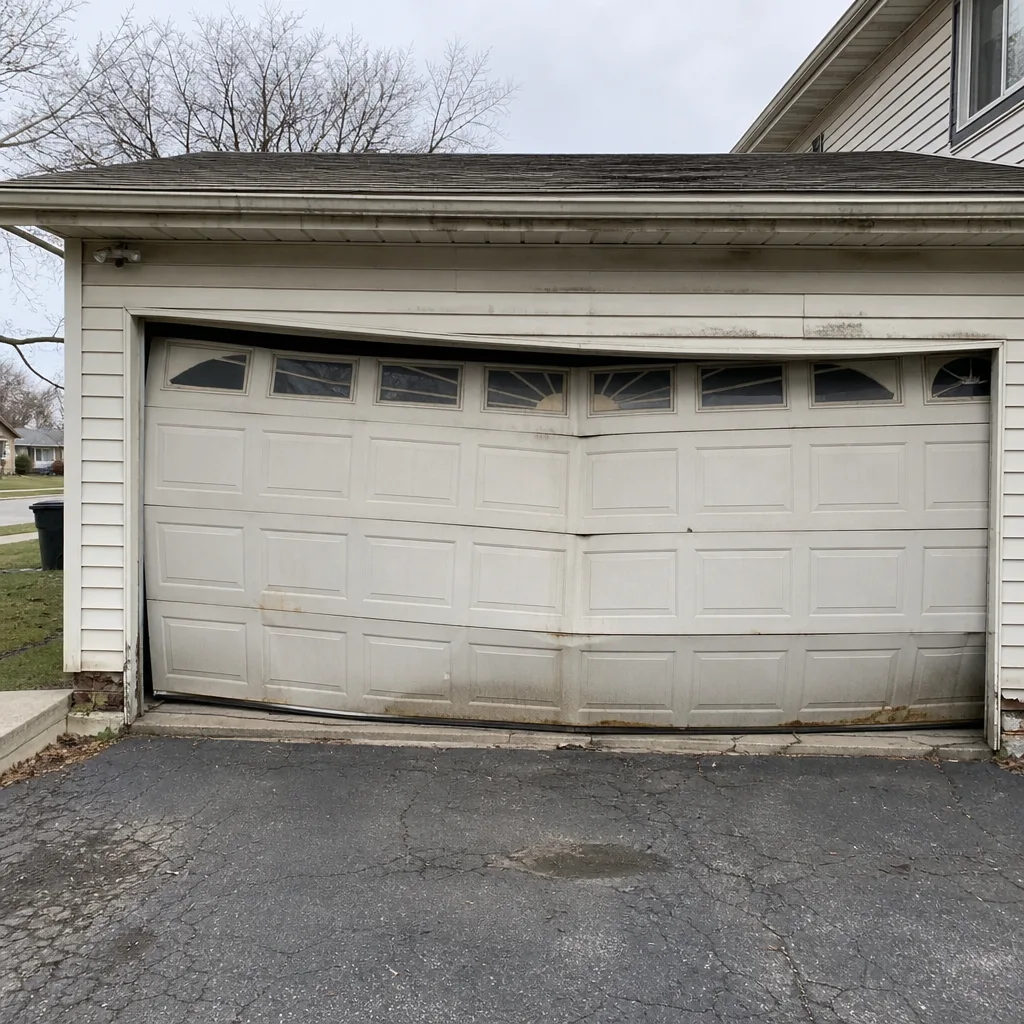 Before
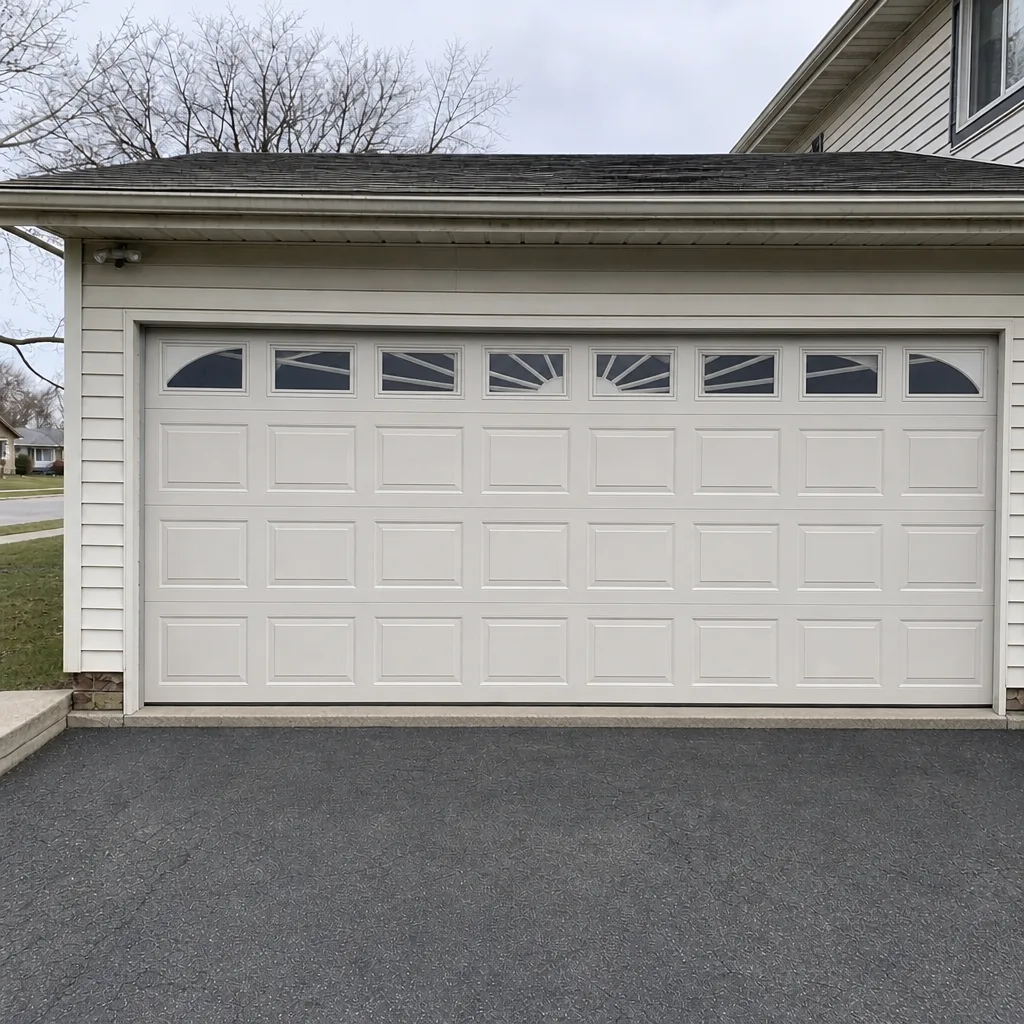 After
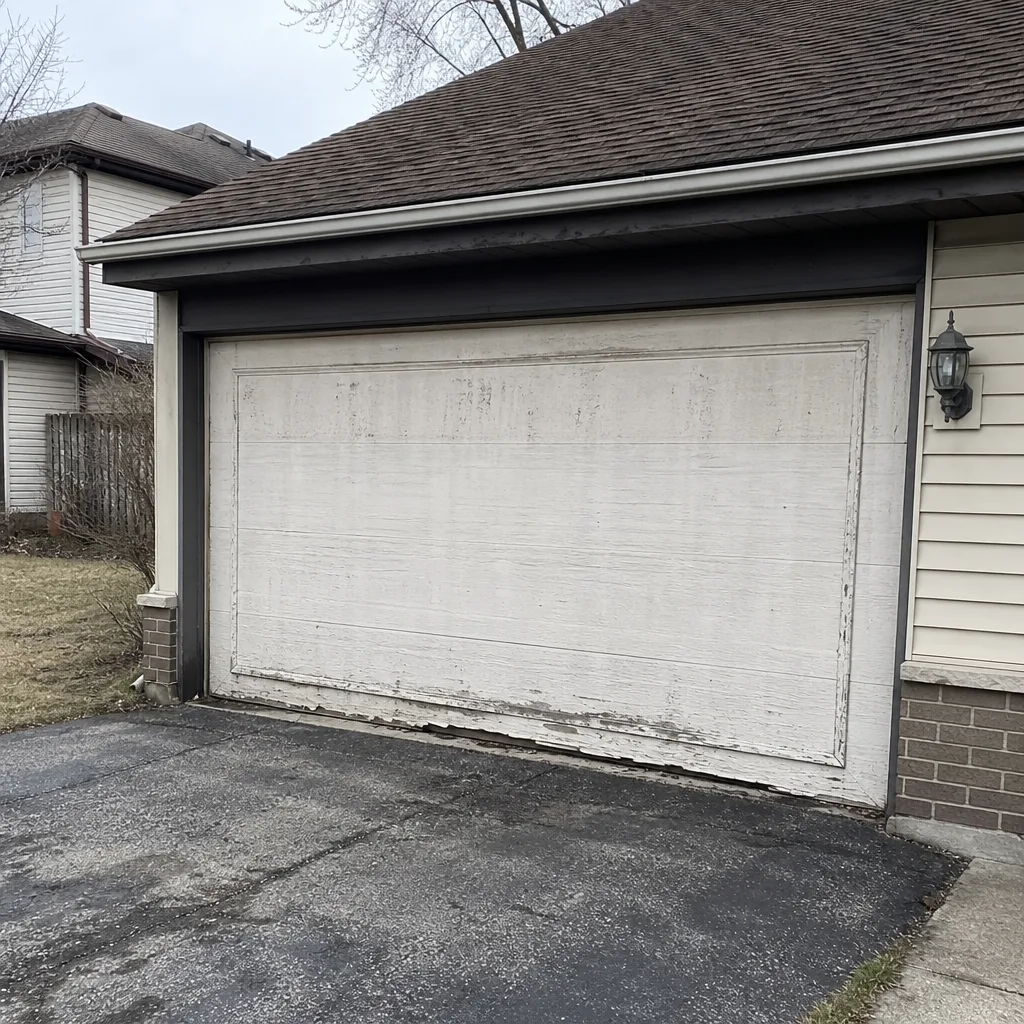 Before
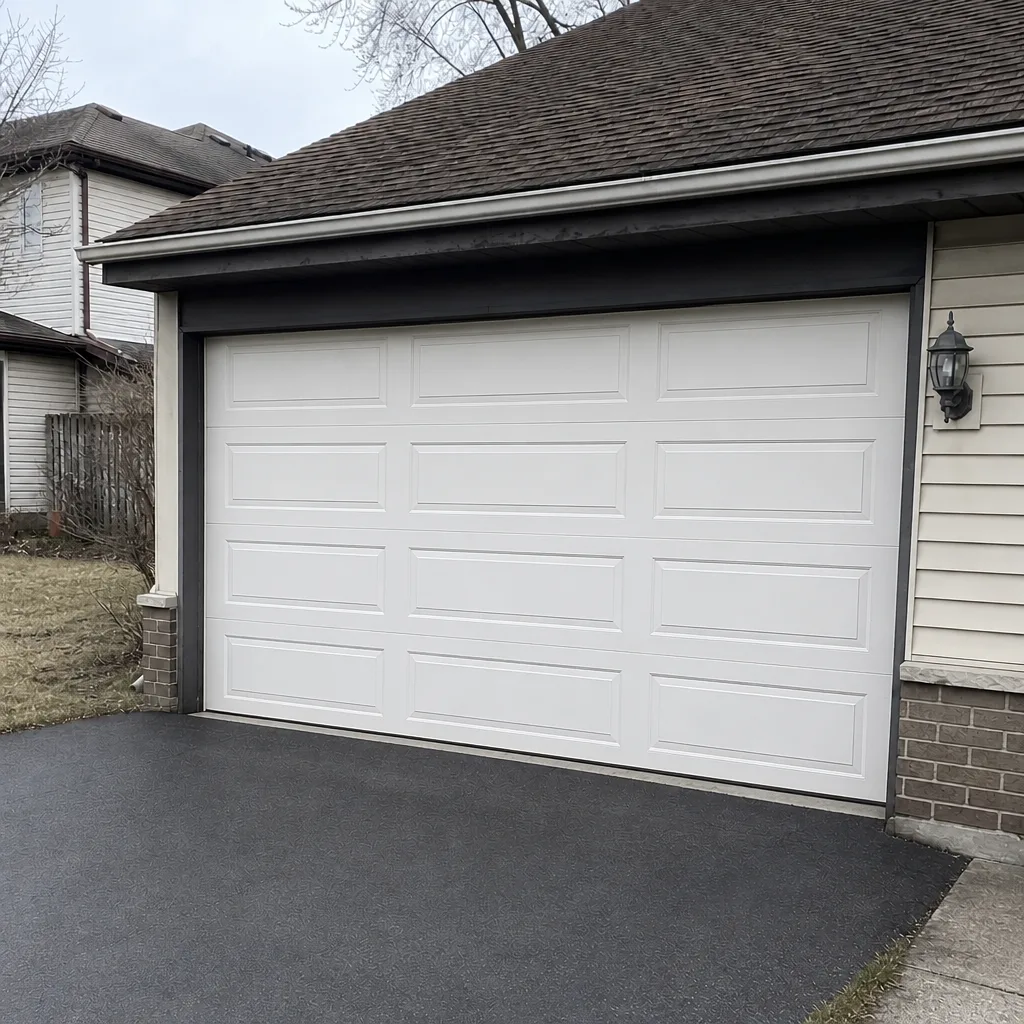 After
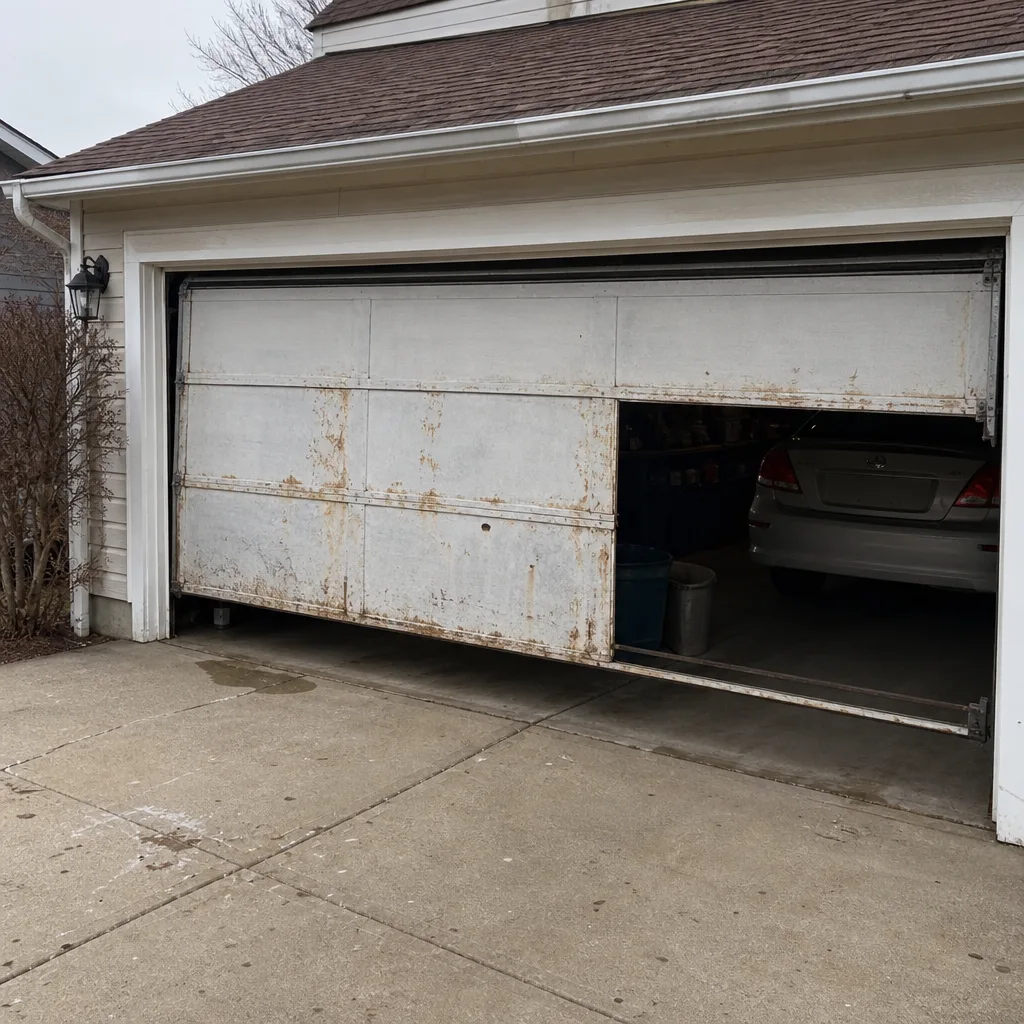 Before
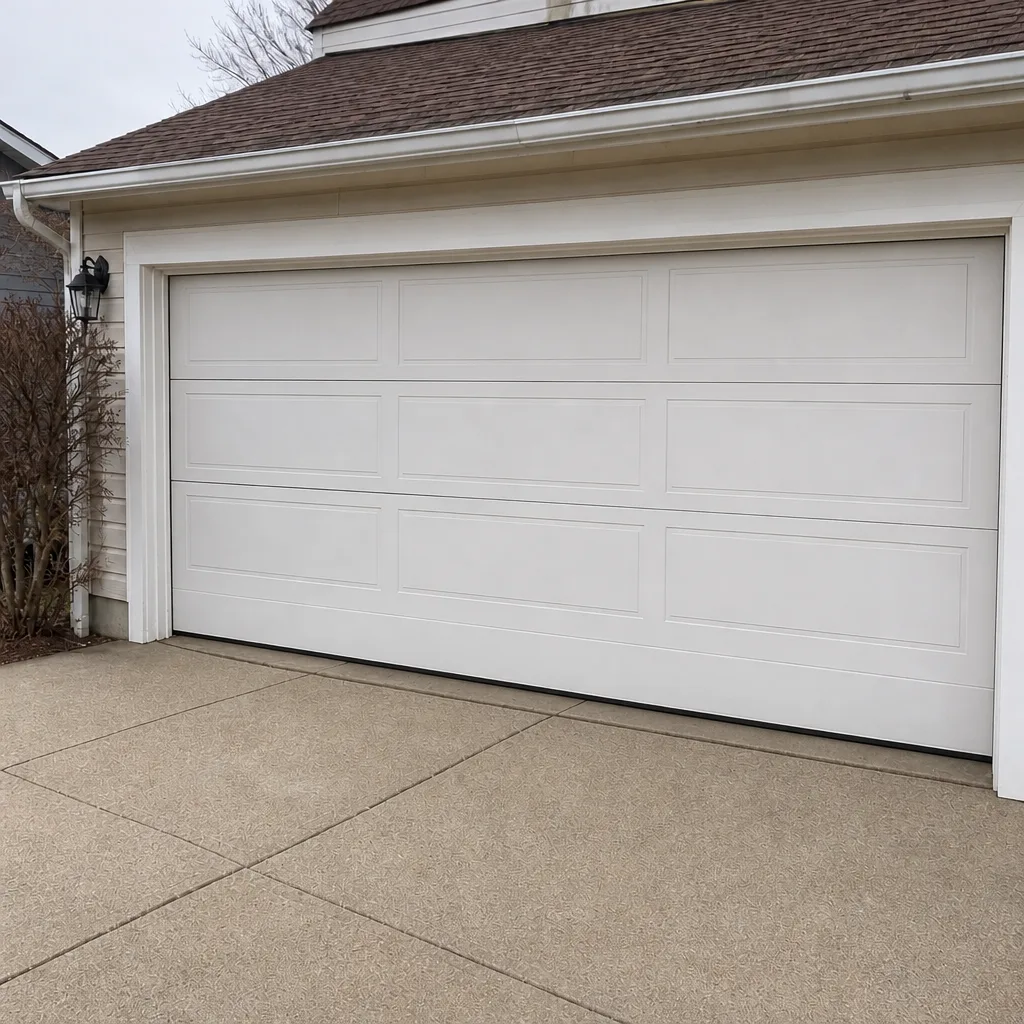 After