
Last updated November 23, 2026
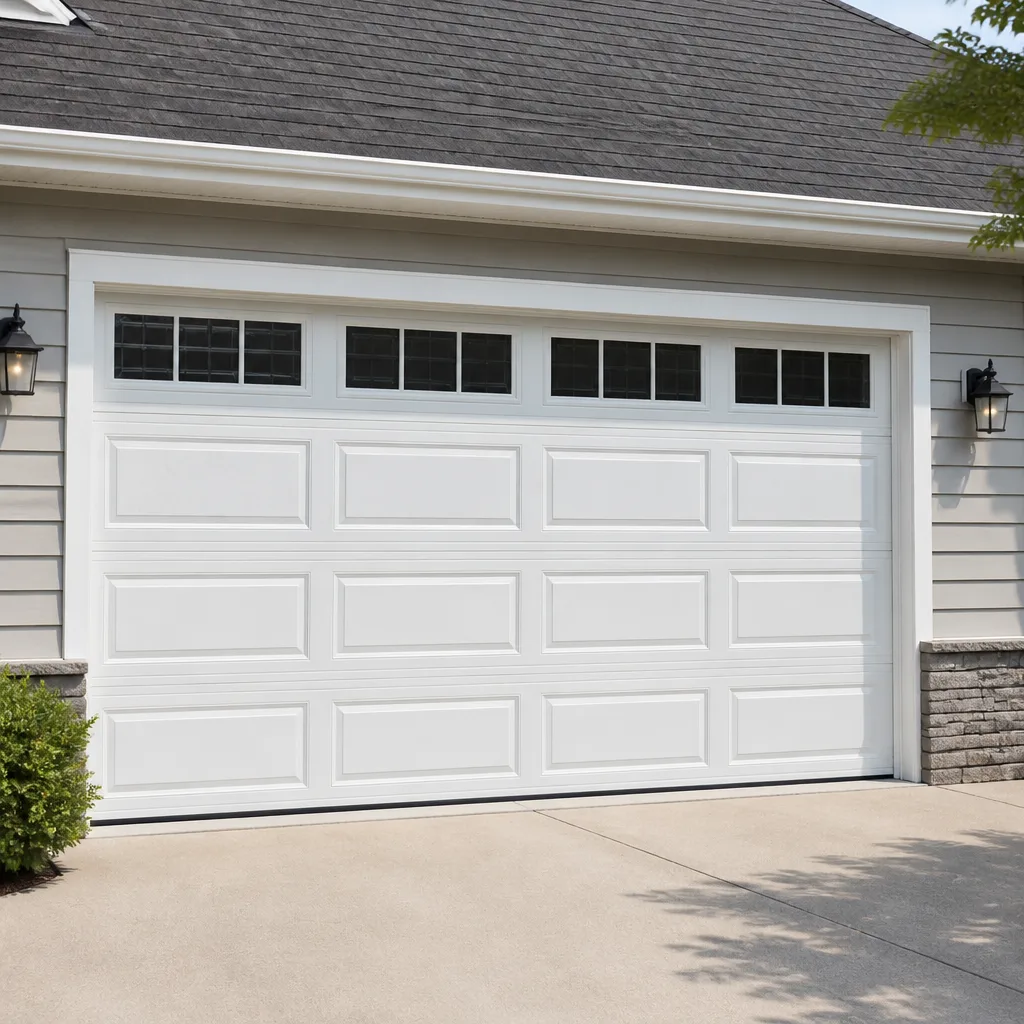 Raised-panel steel
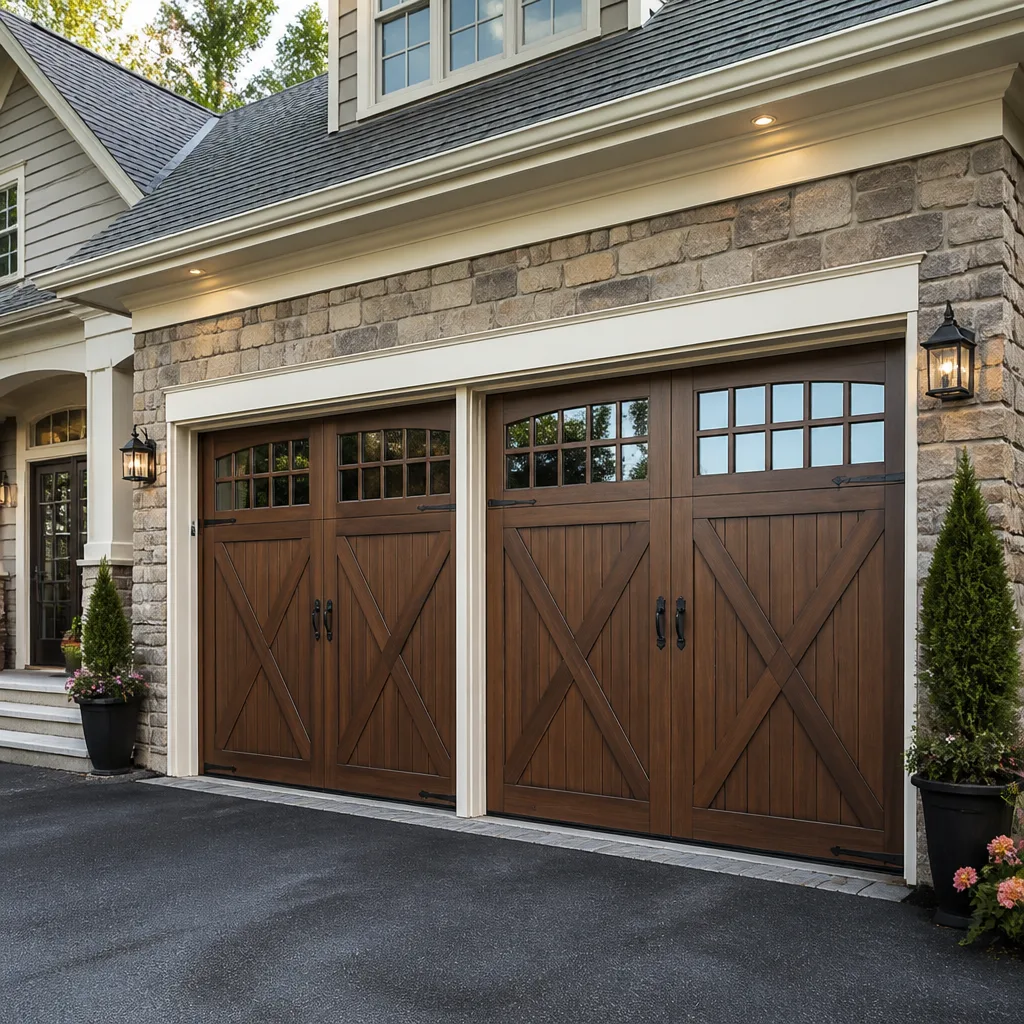 Carriage house
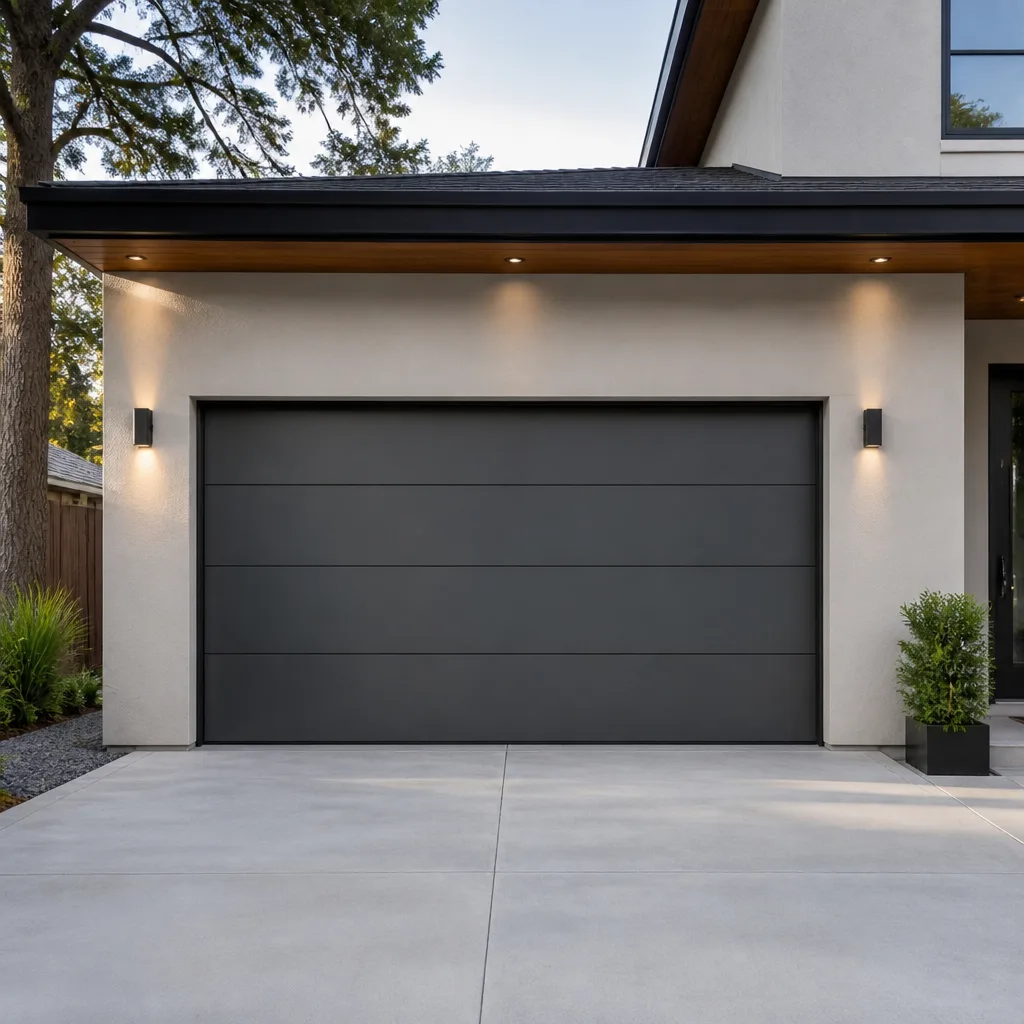 Modern flush
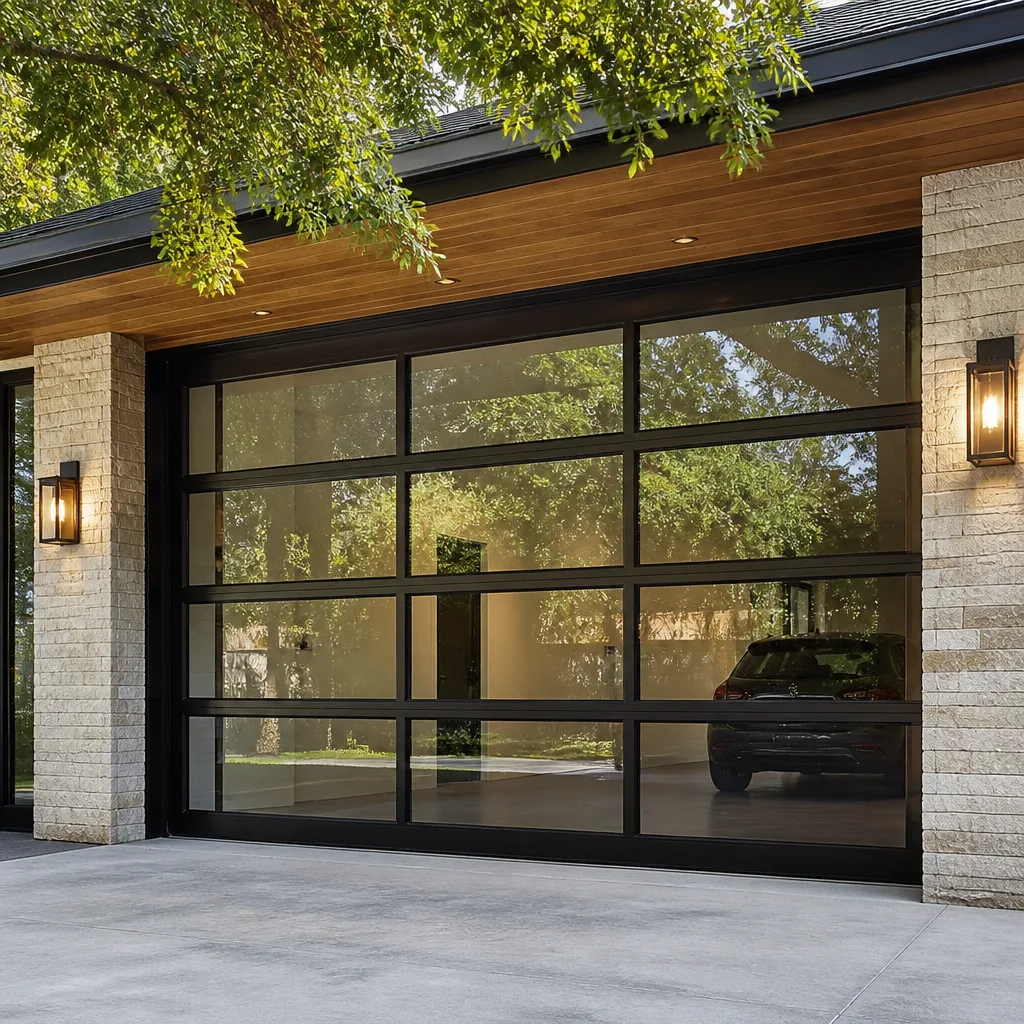 Full-view glass
 LiftMaster openers
 Chamberlain openers
Full 25-point door and opener safety check with every visit - springs, cables, rollers, tracks, and your LiftMaster or Chamberlain opener included
You get a price before we start. It does not change when the pro arrives.
Get your free estimateGarage Door Warning Signs: A Bolingbrook Homeowner’s Reference Guide
Most garage doors don’t fail without warning. They fail after months of warnings nobody recognized. That’s the core problem we run into again and again in Bolingbrook: a door that’s been grinding for a season, or reversing a few inches short of the floor, or taking an extra two seconds to lift, and the homeowner assumes it’s “just how it works now.” It isn’t. Every one of those symptoms points to a specific component that’s wearing out, and the component usually tells you which one before anything breaks. What makes this tricky is that a grinding noise and a door that’s “just slow” can both trace back to the same failing part. This guide maps what you’re hearing and seeing to what’s actually going on, so you call for the right reason instead of waiting for a total failure.
Quick Answer
The most common garage door warning signs homeowners in Bolingbrook should watch for are: unusual noises (grinding, popping, squealing, rattling), a door that reverses before reaching the floor, slow or jerky movement, visible gaps or stretched coils in the torsion spring, sagging panels, and a door that drifts down when released halfway. Any two of these appearing together usually means a component is nearing failure and the door should be inspected by a trained technician. Ignoring them rarely leads to a cheap fix; it almost always leads to a bigger one.
Styles & brands we work with
- Raised-panel steel
- Carriage house
- Modern flush
- Full-view glass
- LiftMaster openers
- Chamberlain openers
Table of Contents
- The Symptom-to-Cause Matrix: What Each Sound and Sign Is Telling You
- Visual Signs: Urgent vs. Cosmetic
- Opener Problem or Mechanical Problem? How to Tell
- Warning Signs of Imminent Spring Failure
- Warning Signs of Imminent Cable Failure
- How Long You Can Typically Operate on a Warning Sign
- Why Bolingbrook Weather Accelerates Wear
- Seasonal Checks for Bolingbrook Homeowners
The Symptom-to-Cause Matrix: What Each Sound and Sign Is Telling You
The fastest way to figure out what’s failing is to listen carefully. Each noise comes from a specific mechanical relationship inside the door system, and matching the sound to the component narrows the diagnosis before anyone touches the door. Here’s how we map them in our own work.
- Grinding: Most likely the rollers or the opener’s gear and sprocket assembly. Second-most-likely cause: worn bearings in the torsion shaft or a dry hinge. Grinding that starts at the top of the cycle and fades near the floor points to the opener; grinding that’s constant through the whole movement is almost always the rollers.
- Popping: Most likely a torsion spring that has broken or is about to. Second-most-likely: a cable jumping off a drum. A single loud pop followed by a door that won’t lift is a spring, full stop. Repeated small pops are a loosening spring or a cable that has slipped.
- Squealing: Most likely worn nylon rollers or dry hinges. Second-most-likely: the opener’s drive belt or chain running dry. Squealing is often the easiest fix and the easiest to ignore. Don’t.
- Rattling: Most likely loose mounting bolts, a worn bottom bracket, or a wheel out of the track. Second-most-likely: the opener rail not secured to the header. Rattling alone is rarely urgent but should be checked before it loosens something structural.
If you can pin down the sound in that list, you already know more than most homeowners do when they call. For a deeper look at what each fix involves, our guide to garage door repair walks through the repair process for each type. The rest of this guide drills into each warning mode so you can make a decision before the door makes it for you.
Visual Signs: Urgent vs. Cosmetic
Not every mark on a garage door is a warning. Some are just the door doing what older doors do. The distinction that matters is between signs that mean something is actively failing and signs that are purely surface-level. Here’s how to separate the two.
Urgent (call a technician)
- A visible gap in any coil of the torsion spring, even a quarter inch. That gap is a fracture. The spring is holding on borrowed time and a full failure means the door drops.
- Cables that are frayed, kinked, or appeared loose on one side. A cable failure sends the door down unevenly and can warp or destroy panels in the process.
- A door that sits crooked, with one side visibly lower. This usually means a stretched spring or a cable that has slipped, and it puts uneven load on the opener.
- Panels that are separating from the stiles or hinges that have pulled out of the door. Structural damage risks a hinge blowing off under load.
- Track sections that have bent inward or outward from a strike. A bent track drags rollers and can derail the door entirely.
Cosmetic (watch but don’t panic)
- Surface rust on the track or hinges. The rollers are what bear the load, not the paint. Clean and lubricate, but this isn’t an emergency.
- Faded paint, minor dings in panels, or scuffed bottom seals. These affect appearance and draft sealing, not safety.
- Squeaky hinges on an otherwise smooth-operating door. Add a small amount of proper garage-door lubricant (not WD-40) and note whether it comes back within a month.
In our experience, the “gap in the spring coil” call is the one most homeowners delay the longest, and it’s the one that most deserves a fast response. If you see a gap, stop operating the door. Call a trained technician. This is a repair where a professional matters for your safety, not just your wallet.
Opener Problem or Mechanical Problem? How to Tell
“The door won’t open” is the symptom, but it’s almost never the diagnosis. The failure could be the opener itself, the door mechanics, or the sensors, and each has a different fix and a different cost. Pulling the emergency release cord (always with the door fully closed) isolates the two systems. If the door moves freely by hand after release, the mechanical side is healthy and the opener is the issue. If it’s heavy or binds, the mechanical side is failing and the opener is fighting it.
Here’s a step-by-step way to sort it out:
- Look at the opener’s lights and listen. If the opener clicks or beeps but the door doesn’t move, the motor is trying and being stopped. That usually means resistance from the door, not a dead motor.
- Check the safety sensors. One sensor has a small light, usually amber or green. If it’s flickering or dark, the beam is broken or misaligned. Wipe the lenses and check for an object between them. A dirty lens on a Bolingbrook door after a windy week is more common than you’d think.
- Try the wall switch, then a remote. If the wall switch works but the remote doesn’t, the problem is the remote or the receiver, not the door. If neither works, the opener itself or its logic board is suspect.
- Release the door and lift by hand. A door that feels like it weighs 60 pounds should feel like 10 to 15. If it doesn’t, the counterbalance (springs and cables) is failing and needs attention before the opener is blamed.
If the diagnosis points to the opener, our team handles every major system, including LiftMaster, Chamberlain, Genie, and Craftsman, so we can work with what you already own instead of pushing a replacement. More on that in our guide to garage door opener repair. If the diagnosis points to a heavy door, that’s a spring or cable issue, and you already know what to do.
Warning Signs of Imminent Spring Failure
Torsion springs are the single most dangerous component on a garage door. They hold the entire weight of the door in tension, and when they fail, they release that energy instantly. The signs that a spring is close to breaking are subtle but consistent, and every one is worth acting on.
- Visible gap in a coil. A quarter-inch gap is a crack, and a cracked spring is on its way out. This is the clearest single warning sign in the trade.
- Door feels unusually heavy when lifted by hand. This is the spring losing the tension it needs to counterbalance the door. Don’t fight it; put the door back down and call.
- Door reverses before hitting the floor. This is often blamed on safety sensors, but in roughly 40% of cases we see, the actual cause is a spring losing tension and the opener detecting overload resistance. The opener stops the door because the motor is straining.
- Door drifts down when halfway open. A healthy spring keeps the door where you leave it. A door that creeps down is telling you the counterbalance is failing.
- Snapped spring still in place. If the door won’t lift at all and the motor hums without moving, the spring has already broken. Stop. Don’t try to force it with the opener.
If any of these appear, stop using the door. Call a technician. We treat garage door spring repair as a core specialty because it’s the one failure where a homeowner’s instinct to “give it one more try” is genuinely unsafe. A matched pair of springs is usually replaced together, so the price for a pair is roughly double the price for one.
Warning Signs of Imminent Cable Failure
The lift cables are the second component that can release the door’s weight without notice. A failing cable doesn’t usually snap cleanly; it frays, kinks, then goes. The warning signs are easier to spot than most homeowners think.
- Frayed strands. Look at the cable near the drum and the bottom bracket. Even a few loose strands is a failing cable, and it should be replaced before it completes the break.
- A kink or “birdcage” in the cable. This means the cable has jumped the drum once already. It will do it again, and the second time it can drop the door.
- Cable wrapped loosely or with slack on one side. A drum that has lost tension on one cable means the door is loading unevenly. That’s a spring-and-cable issue together.
- Door leaning to one side. The cable on the low side has stretched or slipped. Stop using the door until a technician inspects both cables.
- Loud bang followed by a slack cable. This is a full cable failure or spring failure. The door is now unsupported. Do not attempt to open it.
Cables, like springs, are under high tension and can cause serious injury. This is not a repair we recommend attempting yourself, and we’re clear about that with every homeowner. The safest path when you suspect a cable is to stop using the door and have it assessed.
How Long You Can Typically Operate on a Warning Sign
This is the question we get more than any other in Bolingbrook: “Can I keep using it until it breaks?” The honest answer depends on which component is warning you, because each one has its own failure curve. Here’s what we’ve seen in practice, framed as general expectations rather than a promise for any specific door.
- Torsion spring with a visible gap: Days, not weeks. A cracked spring can fail on the next cycle or twenty cycles later. Don’t gamble on the same component that carries the door’s full weight.
- Snapped spring: Zero additional cycles. The door is unsupported and forcing it will damage the opener or drop the door.
- Frayed or kinked cable: Days. A cable that has already jumped the drum once is on its second warning. Replace before it goes.
- Grinding opener gear: Weeks to a couple of months. The door still works, but the motor is straining and the noise indicates the gear teeth are wearing. Catch it before the motor locks up.
- Squealing rollers or hinges: Weeks to months. This is the most forgiving category. Lubricate now, and if the squeal returns in a month, replace the rollers.
- Rattling or loosened bolts: Months. Not urgent, but should be tightened at the next check.
- Door reverses before hitting floor: Days. Depending on the cause (spring vs. sensor), this can escalate fast. Diagnose today.
Treat those timelines as guidance, not guarantees. A warning sign that shows up suddenly, especially in cold weather, has less runway than one that’s been developing slowly. If you’re in Bolingbrook and the forecast is dropping below freezing, add urgency to anything on the shorter end of that list.
Why Bolingbrook Weather Accelerates Wear
Bolingbrook sits in a climate with genuinely wide swings between summer and winter, and those swings are hard on garage door components. Summer heat expands metal, and winter cold contracts it again. Every year the door endures dozens of these cycles, and the parts that take the stress are the springs, cables, and hinges. A door in a milder climate might see a decade of spring life; a door in Bolingbrook may see less, especially if the garage is unheated or poorly insulated.
Two specific local effects matter. First, the freeze-and-thaw cycle that runs from late fall through early spring puts predictable stress on the bottom seal and the lower hinges, and a bottom seal that has stiffened with the cold will drag the door and put load on the opener. Second, the summer heat combined with humidity makes rubber components (rollers, seals, and the weather stripping around the door) dry out and crack more quickly. A squealing roller in July is almost always a roller that was already worn in March. Keeping an eye on the door once the seasons turn is one of the simplest things a Bolingbrook homeowner can do.
Another local factor: many Bolingbrook homes have garages that face the weather. A door that gets the sun and wind on the same side wears differently from a door tucked into an alcove. If your driveway opens west or southwest, watch the bottom seal and the paint on the door more closely, because that side gets the worst of the summer sun and the most heat-driven expansion.
Seasonal Checks for Bolingbrook Homeowners
A ten-minute check twice a year catches most of what fails. Here’s what we recommend, and it’s worth doing it as the seasons turn rather than waiting for a noise.
- Test the auto-reverse. Place a roll of paper towels or a 2×4 flat on the floor under the door and close it. The door should reverse on contact.
- Test the safety sensors. Close the door and wave an object between the sensors. If the door doesn’t reverse, the sensors are misaligned or failing.
- Look at the springs. Shine a light across the torsion coils. Look for any gap between coils. Do this once in spring and once in fall.
- Check the cables. Look for fraying near the drum and bottom bracket. Note any kinks.
- Lift the door by hand (door fully closed, opener disengaged). It should lift smoothly with one hand. If it feels heavy or binds, stop and call.
- Lubricate the moving parts. Hinges, rollers, and the opener rail (if a chain or belt) with a proper garage-door lubricant.
- Look at the bottom seal and weather stripping. Replace anything that’s cracked or missing. In Bolingbrook, a failed bottom seal lets in cold air and moisture through the winter.
The two most important checks are the spring and the auto-reverse. Everything else is maintenance; those two are safety. If a check turns up a problem, the next step is a call, not a weekend project. Our team services the major brands found in Bolingbrook driveways, including Amarr and Wayne Dalton, so whatever door you have, we can look at it. If you want a sense of the broader service, start with Bolingbrook Garage Door Repair Pros.
Common Mistakes to Avoid
- Assuming a door that reverses is a sensor problem. Sensors cause maybe half of reverse events, but a failing spring can too. Test the sensors first, then test the door’s weight by hand. If it feels heavy, it’s not a sensor.
- Forcing a door that won’t lift. When an opener hums but the door won’t move, it’s almost always a broken spring or a snapped cable. Running the opener against a stuck door damages the gear and can burn out the motor, costing you both the original repair and the opener repair.
- Ignoring a gap in the spring coil because the door still works. A cracked spring can hold for a while, then go without warning. The “still works” phase is the false confidence phase.
- Lubricating with WD-40. It’s a solvent, not a lubricant. It dries out hinges and rollers and makes the squealing worse. Use a proper garage-door lubricant.
- Adjusting the opener’s force settings to compensate for a heavy door. Turning up the force setting doesn’t fix the failing spring; it just overloads the opener and makes the eventual failure worse.
- Calling a general handyman for spring or cable work. These components carry the full weight of the door under tension. A technician trained specifically for garage doors is the right call, even when the job looks small.
- Waiting for the first real cold snap to check the door. Bolingbrook winters are hard on seals, springs, and openers. A check in October catches the problems before the first freeze.
See the difference
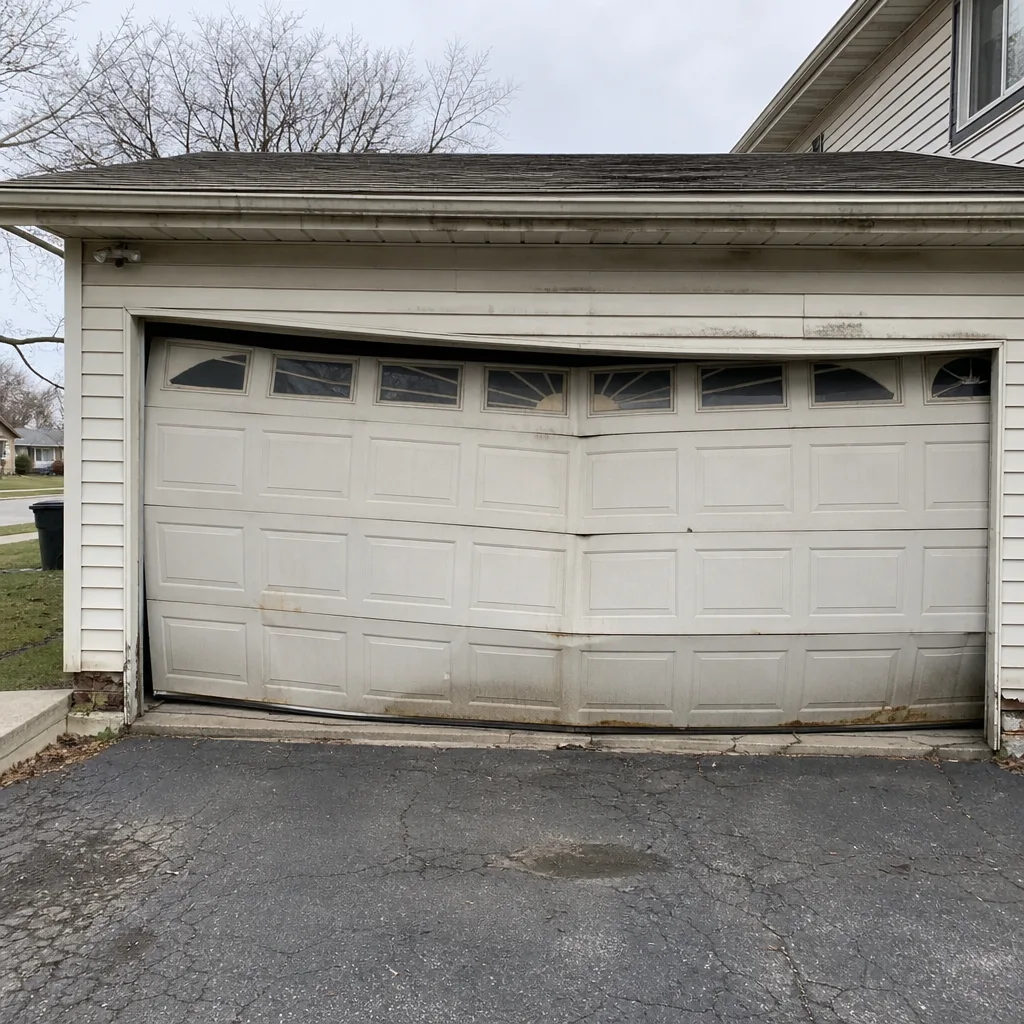 Before
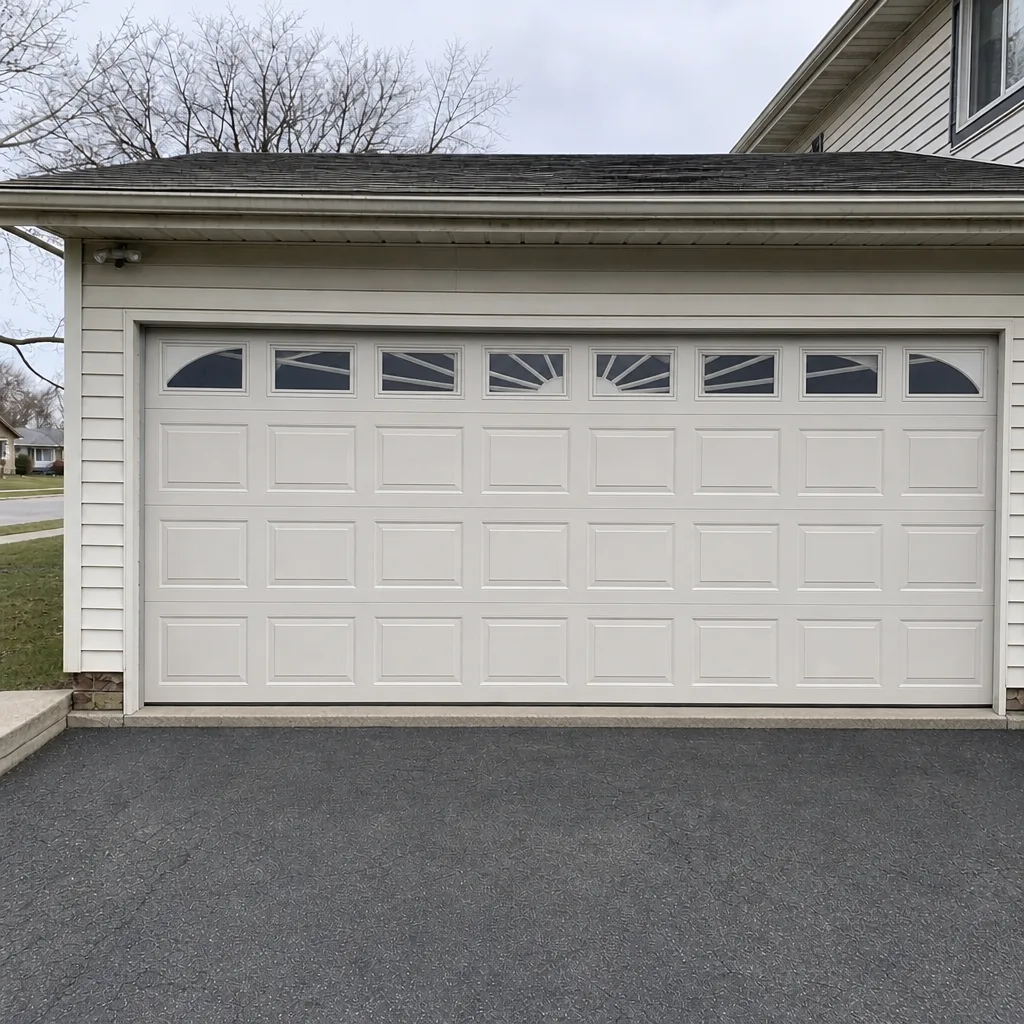 After
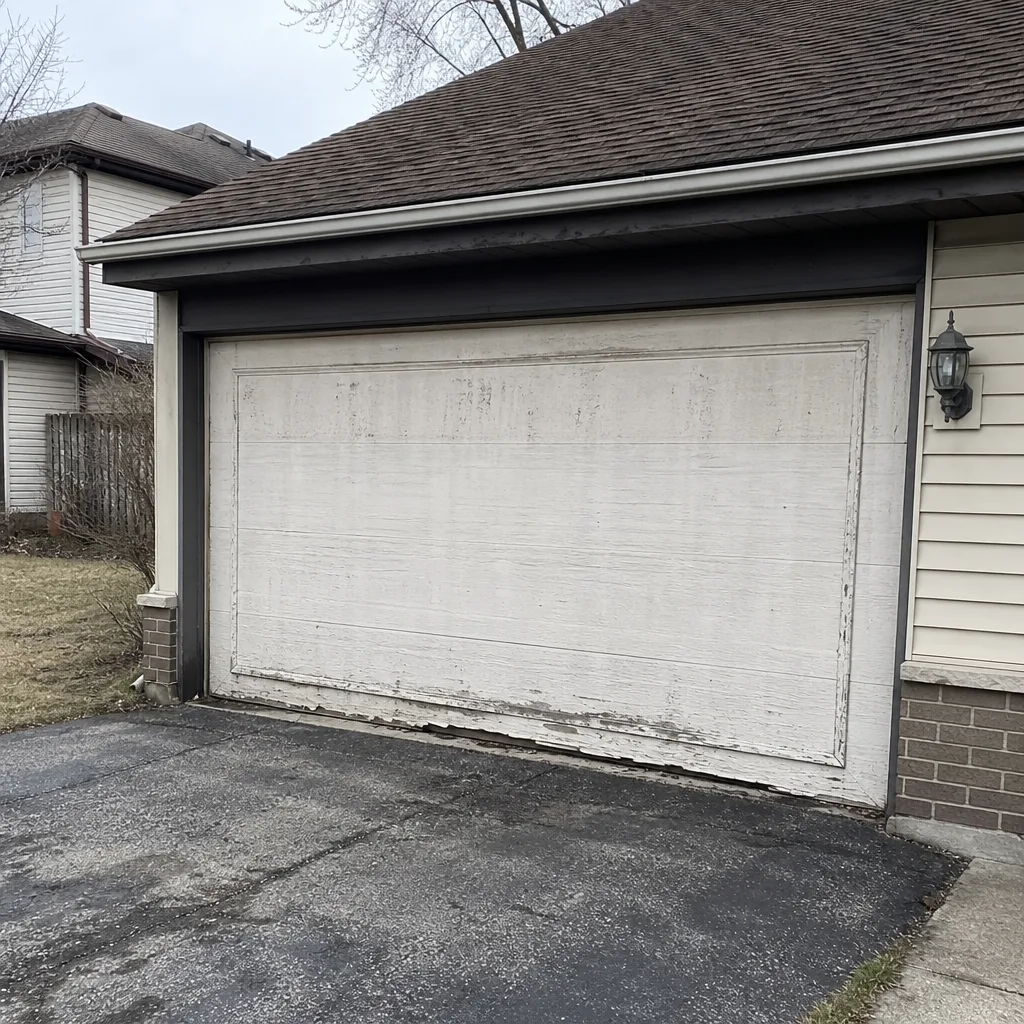 Before
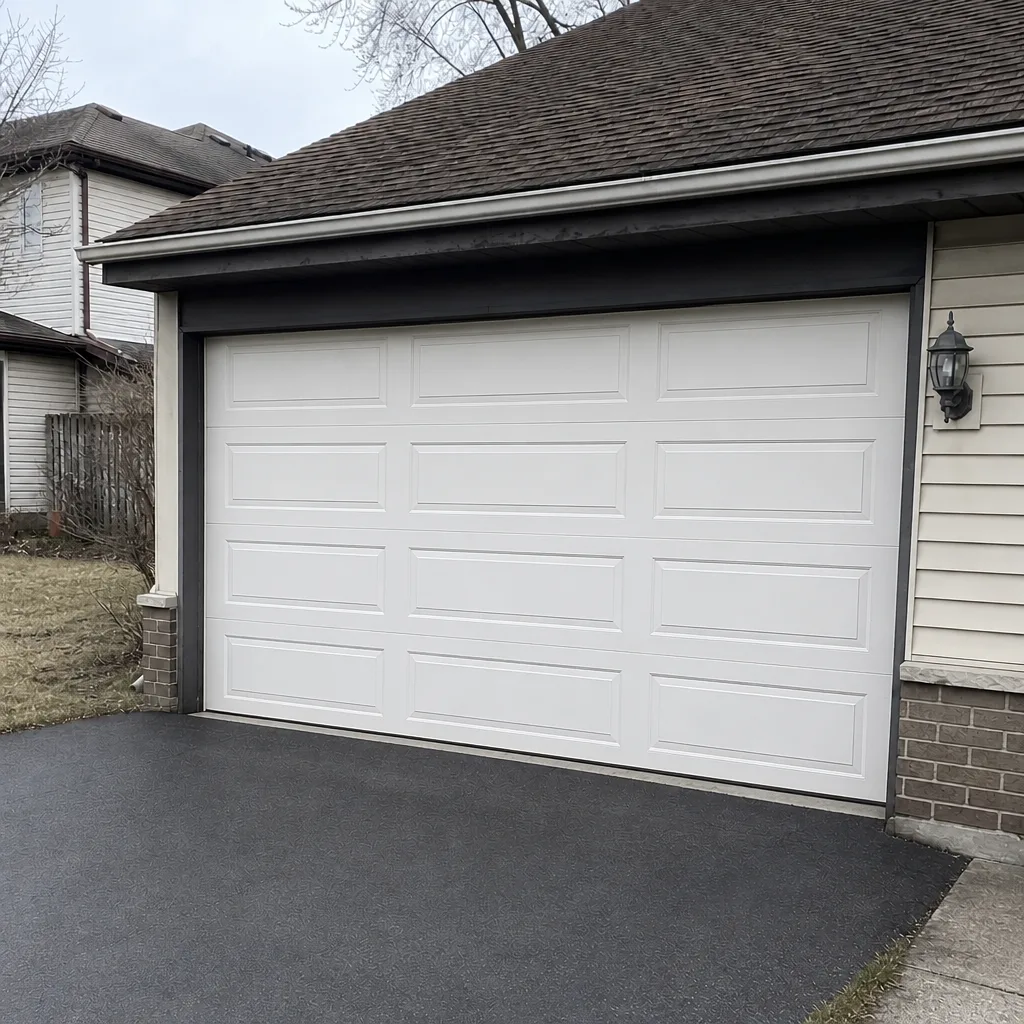 After
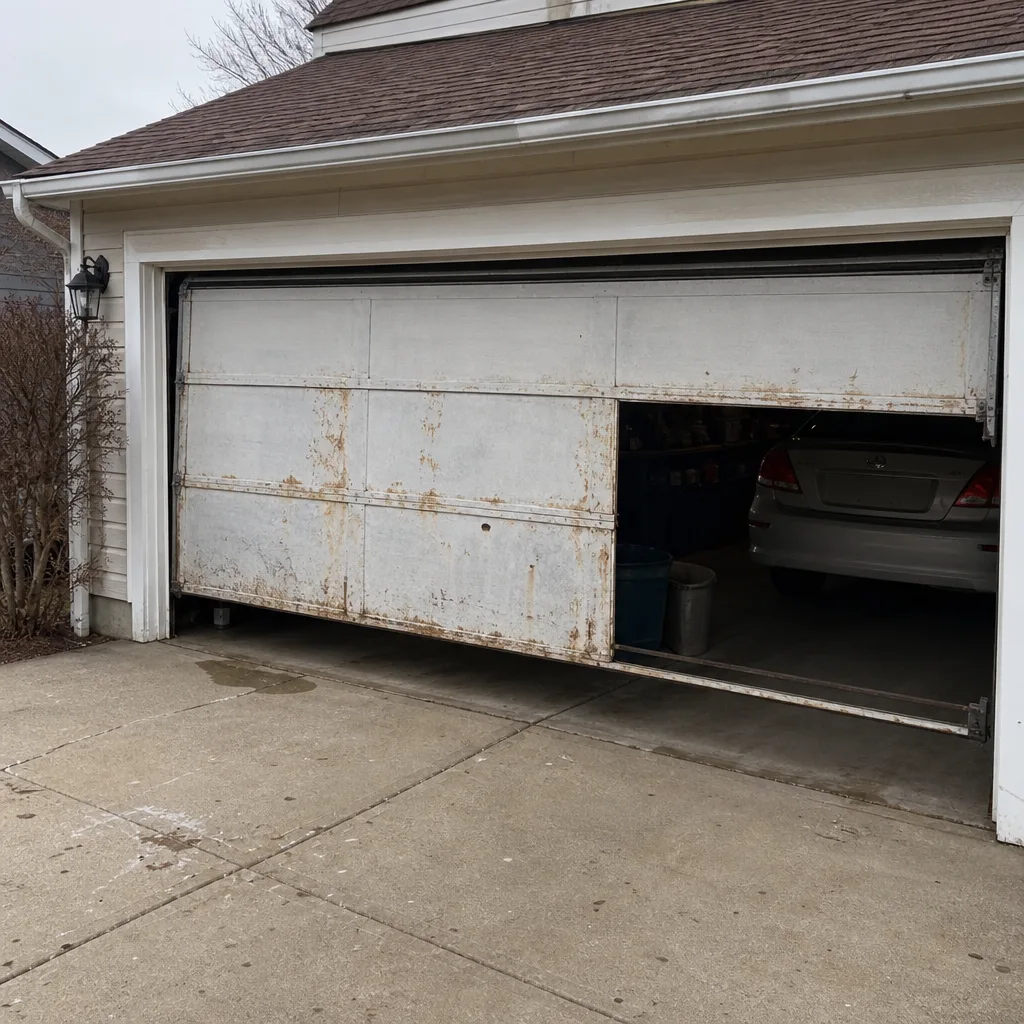 Before
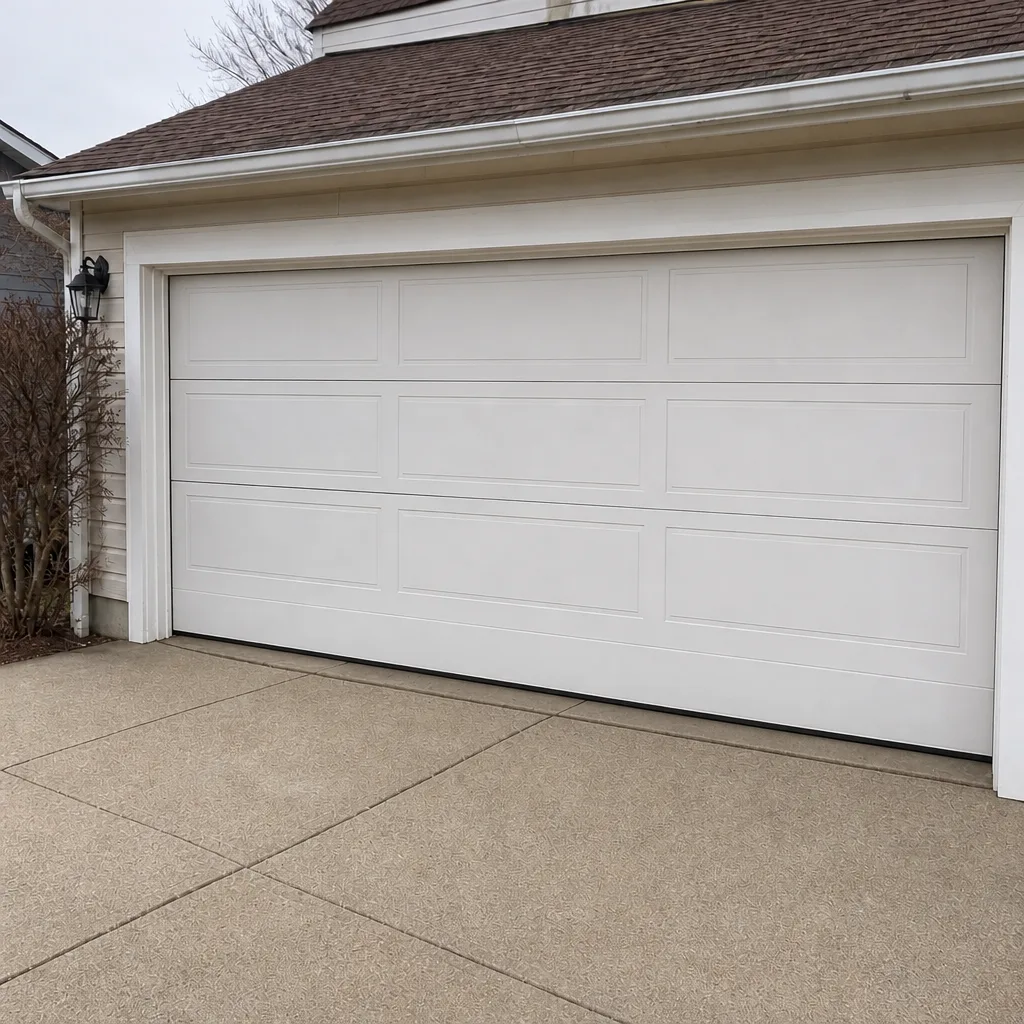 After
When to Call a Professional
Call a professional if you see a gap in a spring coil, a frayed or kinked cable, a door that reverses before it hits the floor, a door that leans to one side, or an opener that hums without moving the door. Call if the door has become slower or noisier over the past month, or if the auto-reverse test fails. Call if you can hear grinding from the opener, popping from the springs, or rattling that wasn’t there last season. Any of these is a signal that one component is failing and the door’s weight is now being carried unevenly by the rest.
Bolingbrook Garage Door Repair Pros offers free estimates in Bolingbrook. We work on LiftMaster, Chamberlain, Genie, Clopay, Amarr, Wayne Dalton, Craftsman, and Raynor, and we cover repair, opener repair, spring repair, and new installation, so nothing gets handed off. Our technicians have up to 11 years of experience. Call (844) 482-4453. We answer 24/7. Fast dispatch from 7am to 7pm, Sunday through Friday.
Frequently Asked Questions
The most common warning sign we see in Bolingbrook is unusual noise, most often grinding from worn rollers or a strained opener gear. The next most common is a door that reverses before it reaches the floor, which homeowners usually blame on the sensors. If the sensors are clean and aligned and the door still reverses, the cause is usually a spring that’s losing tension and putting load on the opener. Call (844) 482-4453 for an exact quote; estimates are free.
No. A visible gap in a torsion spring coil is a crack, and the spring is holding the door’s weight on borrowed time. Stop operating the door and call a technician. A spring failure can drop the door without warning and damage the opener, the tracks, and the panels in the process. Call (844) 482-4453 for a free estimate.
Spring repair pricing is set per job by the written estimate after a technician looks at the door. The estimate is free and the price is quoted and agreed before any work starts, so there’s no surprise when the invoice arrives. A matched pair of springs is usually replaced together, which is a different quote than a single spring. Call (844) 482-4453 for an exact quote.
Release the door from the opener with the emergency cord (door fully closed), then lift the door by hand. If it moves easily and stays where you leave it, the opener is the problem and the door is fine. If it’s heavy or binds, the mechanical side is failing and the opener is being forced. Call (844) 482-4453 for a free estimate; we can diagnose either system, including LiftMaster, Chamberlain, Genie, and Craftsman openers.
No. The price is quoted and agreed before any work starts, based on what the technician sees on-site. If the job turns out to be larger than expected, we’ll explain why before anything is done, not after. The written estimate sets the final price. Call (844) 482-4453 for a free estimate.
The local professionals we connect you with are licensed and insured as their state requires. Our technicians have up to 11 years of experience working on garage door and opener systems, and we service every major brand found in Bolingbrook driveways. Call (844) 482-4453 for a free estimate.
The Bottom Line
Garage doors rarely fail without warning. The warning just isn’t always loud. A grinding roller, a squealing hinge, a half-inch gap in a spring coil, a door that reverses before the floor, a door that leans, or a door that feels heavy by hand are all signs that a specific component is failing, and each one has a different timeline. The safest way to handle a warning sign is to name it, match it to the likely cause, and stop using the door if the cause is a spring or cable. Bolingbrook weather accelerates wear, so twice-a-year checks catch most of what fails. For anything on the short-timeline list, one call is enough. If you’ve spotted a warning sign on your door, call garage door repair or garage door opener repair depending on what you’re seeing, or reach out for garage door spring repair if the problem is in the springs. Call (844) 482-4453 for a free estimate. We answer 24/7. Fast dispatch from 7am to 7pm, Sunday through Friday, closed Saturday.
Written by the team at Bolingbrook Garage Door Repair Pros.